
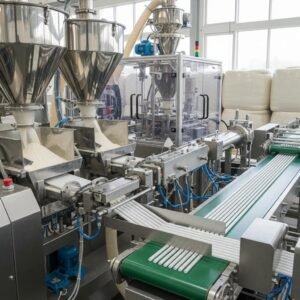
Máquinas para Popotes de Almidón de Maíz: Alternativa Compostable
Experience the innovation of starch straw machines, revolutionizing eco-friendly dining. See how they provide sustainable solutions for a greener future.
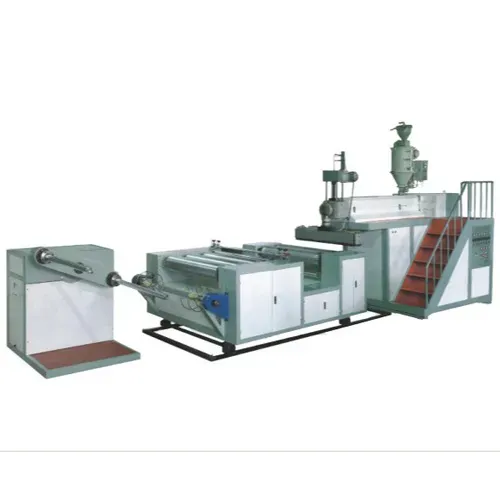
Advanced extrusion control systems play a crucial role in enhancing the precision and stability of manufacturing processes, particularly in the production of polyethylene films. These systems utilize cutting-edge technology to monitor and adjust key parameters in real-time, ensuring optimal performance and product quality. As industries increasingly demand higher efficiency and lower waste, understanding the mechanisms behind these systems becomes essential. This article will explore how advanced control systems improve process stability, the key parameters they manage, and the benefits they bring to manufacturers. We will also discuss the components of modern extruder automation and the integration capabilities that enhance precision in bag-making machines.
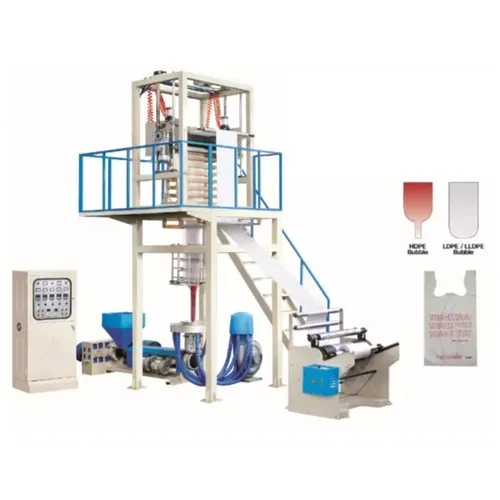
Advanced extrusion control systems enhance process stability by integrating Industry 4.0 technologies, which allow for real-time process analytics and predictive maintenance. These systems continuously monitor critical parameters such as temperature, pressure, and screw speed, making adjustments as needed to maintain optimal conditions. This proactive approach minimizes fluctuations that can lead to defects in the final product, ensuring consistent quality and reducing downtime.
Further research highlights the critical role of advanced control methods, such as neural networks, in achieving precise temperature regulation for extrusion stability.
Real-time Neural Network Temperature Control for Extrusion Stability
In rubber extrusion, precise temperature control is critical due to the process’s sensitivity to fluctuating parameters like compound behavior and batch-specific material variations. Rapid adjustments to temperature deviations are essential to ensure stable throughput and extrudate surface integrity. Based on our previous research, which initiated the development of a feedforward neural network (FNN) without real-world empirical application, we now present a real-time control system using artificial neural networks (ANNs) for dynamic temperature regulation.
Real-time temperature control in rubber extrusion lines: a neural network approach, M Lukas, 2024
For manufacturers like Evergreen Machine Co., Ltd. and Kingdom Machine Co., Ltd., implementing these advanced systems can lead to significant improvements in operational efficiency. By leveraging real-time data, companies can identify potential issues before they escalate, allowing for timely interventions that keep production on track.
This table illustrates how different features of advanced control systems contribute to enhanced process stability, ultimately benefiting manufacturers by improving efficiency and product quality.
In extrusion processes, several key parameters are controlled to ensure the quality of the final product. These include:
By closely monitoring and adjusting these parameters, manufacturers can produce high-quality polyethylene films that meet stringent industry standards.
Precision control in extrusion processes significantly enhances the quality of polyethylene films. By utilizing inline gauge control, manufacturers can continuously measure critical dimensions and properties of the film during production. This real-time feedback allows for immediate adjustments to the extrusion parameters, ensuring that the final product meets the required specifications.
Additionally, effective temperature and pressure management during the extrusion process helps to eliminate defects such as bubbles or uneven thickness. The careful selection of materials, combined with precise control mechanisms, results in films that exhibit superior strength and clarity.
Modern extruder automation systems are equipped with several advanced components that enhance their functionality. Key features include:
These components work together to create a highly efficient and reliable extrusion process, ultimately leading to better product quality and reduced operational costs.
Control modules play a vital role in optimizing the key parameters of temperature, pressure, and speed in extrusion processes. These modules include:
By effectively managing these parameters, control modules contribute to the overall efficiency and quality of the extrusion process.
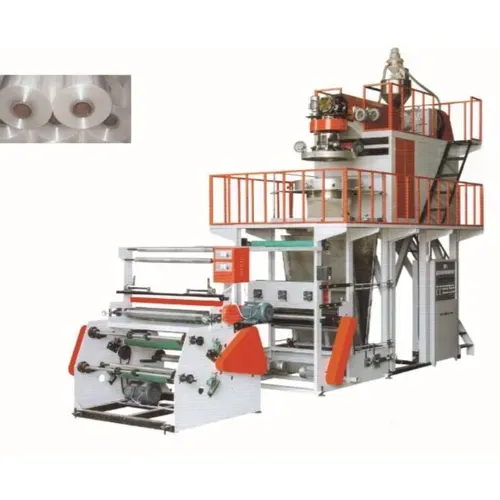
Integration capabilities in modern extrusion systems enhance the precision of bag-making machines by allowing for seamless communication between different components. For instance, servo motor control systems enable precise adjustments to the tension and speed of the film during the bag-making process. This level of control ensures that the bags produced are uniform in size and quality.
Additionally, closed-loop tension control systems help maintain consistent tension throughout the production process, reducing the risk of defects. Recipe-based PLC controls allow operators to easily switch between different production runs, ensuring that each batch meets the specified requirements.
Implementing advanced extrusion control systems offers several business benefits, including:
These benefits make advanced control systems a worthwhile investment for manufacturers looking to improve their bottom line.
Automation significantly increases manufacturing efficiency and reliability by streamlining processes and reducing the potential for human error. Automated systems can operate continuously, maintaining consistent production rates and minimizing downtime. Predictive maintenance features further enhance reliability by identifying potential issues before they lead to equipment failure.
As a result, manufacturers can achieve higher output levels while maintaining product quality, ultimately leading to increased profitability.
Improved process stability translates into substantial cost savings for manufacturers. Key areas of savings include:
These savings can significantly impact a company’s overall profitability, making advanced control systems a smart investment.
Regular maintenance and troubleshooting are essential for supporting the stability of extrusion control systems. Key practices include:
By prioritizing maintenance, manufacturers can ensure that their extrusion processes remain stable and efficient.
Several common issues can affect the performance of extruder control systems, including:
Addressing these issues promptly is crucial for maintaining the efficiency and reliability of extrusion processes.
To ensure long-term precision and performance in extrusion processes, manufacturers should adopt the following best practices:
By following these best practices, manufacturers can maintain high levels of precision and performance in their extrusion processes.
Experience the innovation of starch straw machines, revolutionizing eco-friendly dining. See how they provide sustainable solutions for a greener future.
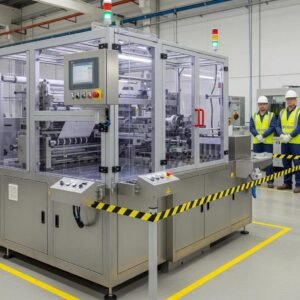
Learn essential safety protocols for rewind system operations. This professional guide offers best practices to ensure workplace safety and efficiency.

Guía completa
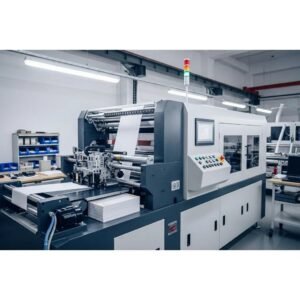
Refiladoras de Alta
