
Equipo de Ingenieros: Maquinaria Plástica Evergreen
Evergreen Machine opera especialistas en maquinaria plástica desde China. Diseña líneas de producción completa con soporte técnico global y 15+ años.
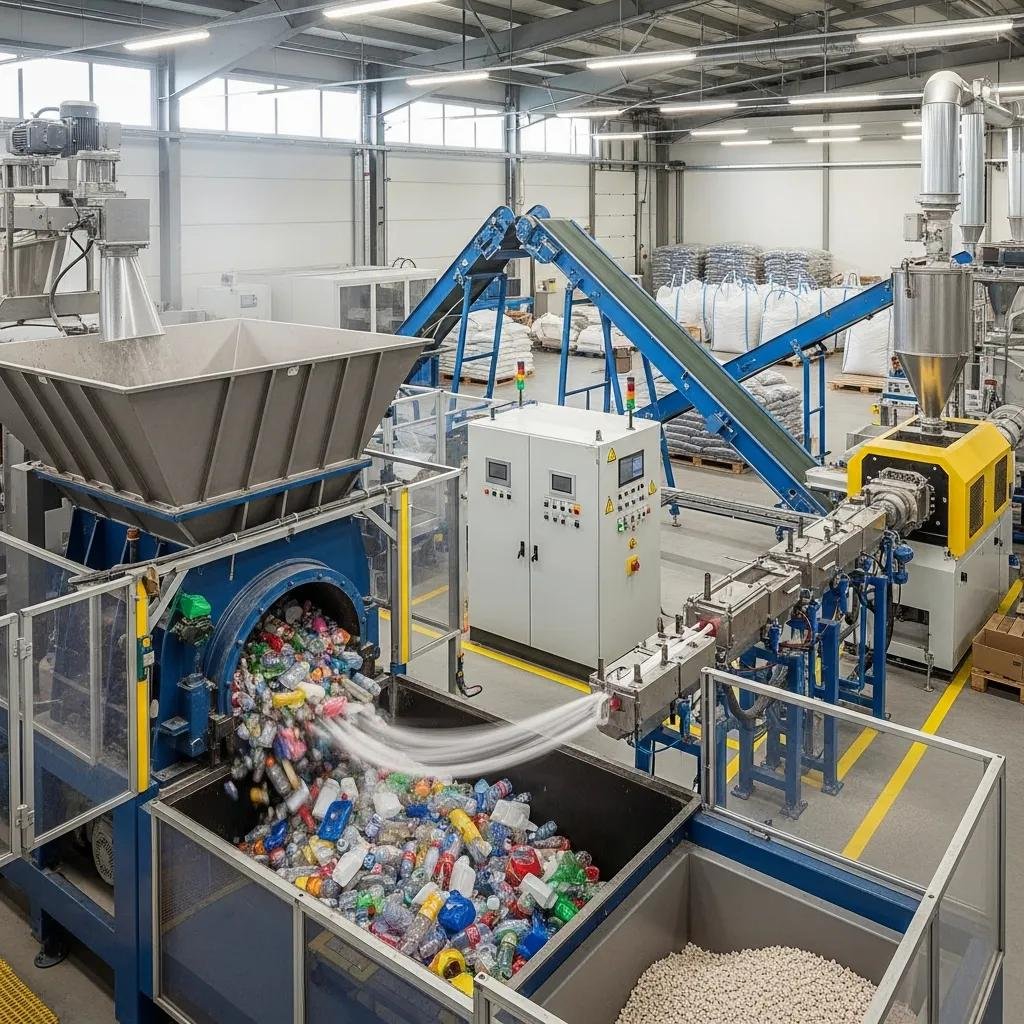
Plastic recycling machines play a crucial role in promoting sustainable practices by efficiently processing plastic waste into reusable materials. This article aims to provide comprehensive insights into the various types of plastic recycling machines, their operational mechanisms, and the environmental and economic benefits they offer. As the world grapples with increasing plastic waste, understanding these machines becomes essential for businesses and communities alike. We will explore the main types of machines, how they work step-by-step, their benefits, common challenges, and the advanced technologies shaping their future.
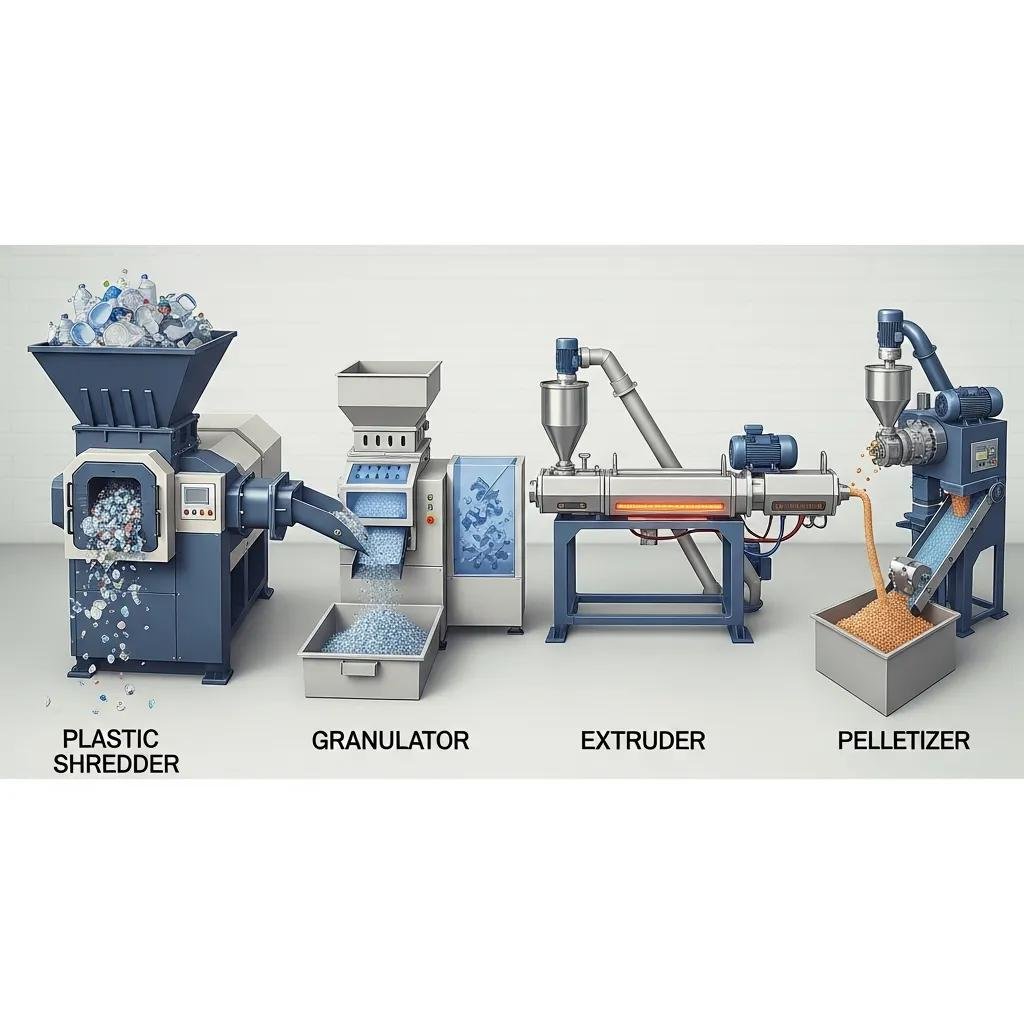
Plastic recycling machines are categorized into several types, each designed for specific functions in the recycling process. The main types include:
Shredders, granulators, and extruders serve distinct roles in the plastic recycling process. Shredders primarily focus on reducing the size of plastic waste, making it manageable for further processing. Granulators take the shredded material and produce smaller flakes or granules, which are essential for uniform melting and shaping. Extruders, on the other hand, melt the granules and form them into new shapes, completing the recycling cycle. Each machine’s efficiency directly impacts the overall effectiveness of the recycling operation, highlighting the importance of selecting the right equipment for specific recycling needs.
Plastic pelletizers are specialized machines that convert melted plastic materials into pellets. There are several types of pelletizers, including strand, water-ring, and underwater pelletizers. Strand pelletizers produce long strands of plastic that are cut into pellets, while water-ring pelletizers use water to cool and cut the strands. Underwater pelletizers operate by cutting the plastic in a submerged environment, which helps maintain the quality of the pellets. These machines are vital in ensuring that the recycled plastic is of high quality and suitable for manufacturing new products.
The operation of plastic recycling machines involves several key steps, from collection to the final product.
The journey from collection to pelletizing involves meticulous processes that ensure the quality of the recycled material. Initially, plastic waste is gathered and sorted to separate different types of plastics. This is followed by shredding, where the plastic is reduced in size. Washing is a critical step that removes dirt and contaminants, enhancing the quality of the recycled material. After washing, the plastic is dried to prepare it for melting and pelletizing, where it is transformed into usable pellets for new products.
Washing and drying systems are essential in the recycling process as they significantly enhance the quality of the recycled plastic. Effective washing removes contaminants such as labels, dirt, and residues, which can compromise the integrity of the recycled material. Advanced washing technologies, including friction washers and float-sink separators, ensure thorough cleaning. Drying systems, such as hot air dryers or centrifugal dryers, eliminate moisture, preventing issues during the melting and pelletizing stages. Together, these systems ensure that the final recycled product meets industry standards for quality and performance.
Plastic recycling equipment offers numerous environmental and economic benefits that contribute to sustainable practices.
Recycling machines play a pivotal role in waste reduction by processing plastic waste into reusable materials. This process diverts plastics from landfills, where they can take hundreds of years to decompose. By converting waste into valuable resources, recycling machines help conserve natural resources, reducing the demand for new plastic production. This not only mitigates environmental degradation but also supports the circular economy, where materials are reused and recycled continuously.
Investing in plastic recycling machines can yield significant economic benefits for businesses. By recycling plastic waste, companies can reduce their reliance on expensive virgin materials, leading to cost savings. Additionally, businesses can generate revenue by selling recycled products, tapping into the growing market for sustainable materials. Furthermore, adopting recycling practices can enhance a company’s reputation, attracting environmentally conscious consumers and potentially increasing market share.
Despite the benefits, plastic recycling faces several challenges that can hinder its effectiveness.
Contamination and material incompatibility are significant challenges in the recycling process. Contaminated plastics can lead to inferior quality recycled products, as impurities affect the melting and molding processes. Material incompatibility arises when different types of plastics are mixed, resulting in poor-quality recycled materials. To address these issues, effective sorting and cleaning technologies must be employed, ensuring that only clean, compatible plastics are processed.
To overcome infrastructure gaps, investments in recycling facilities and technologies are crucial. Governments and private sectors can collaborate to enhance recycling infrastructure, making it more accessible to communities. Additionally, creating policies that incentivize recycling and promote market demand for recycled products can stimulate growth in the recycling industry. By addressing these challenges, the recycling sector can become more efficient and effective in managing plastic waste.
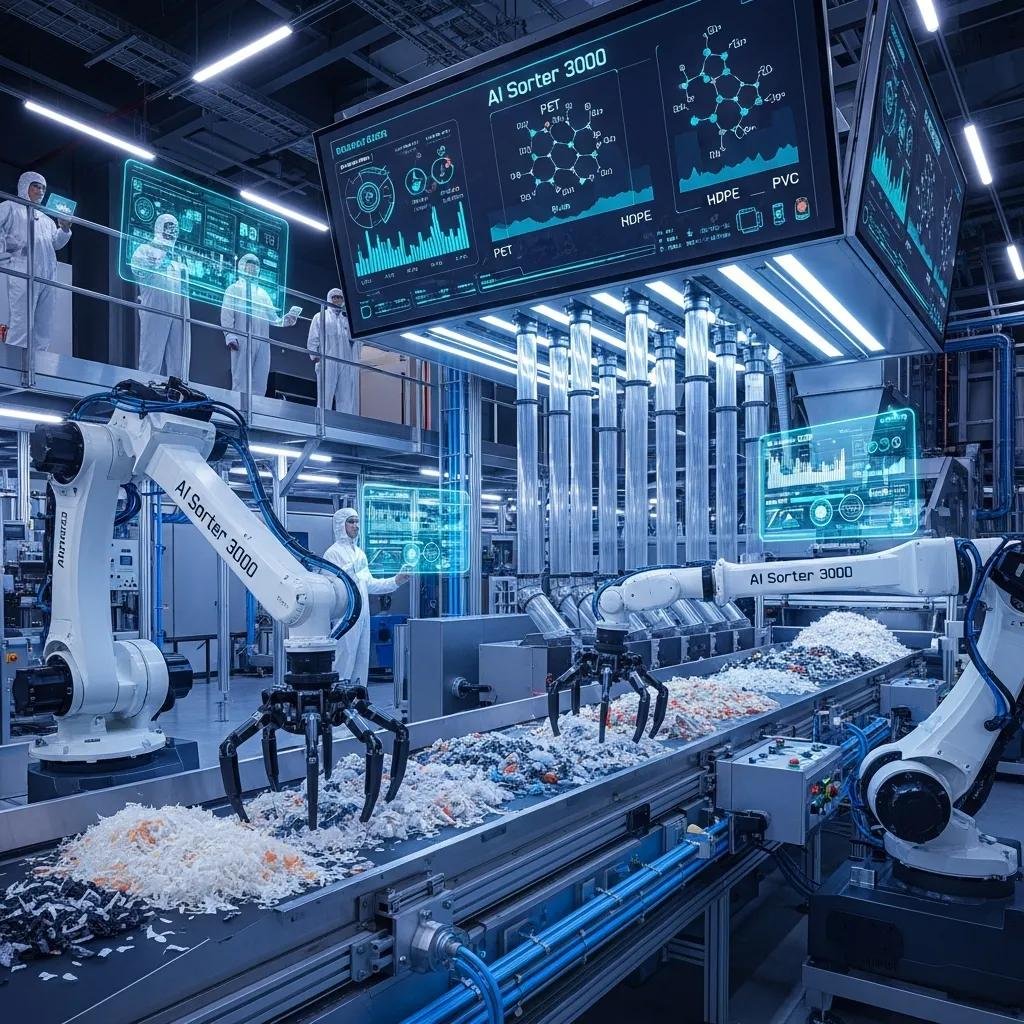
The future of plastic recycling is being shaped by advanced technologies that enhance efficiency and effectiveness.
AI and robotics are revolutionizing the recycling industry by enhancing sorting accuracy and operational efficiency. AI algorithms can analyze and identify various plastic types, ensuring that only compatible materials are processed. Robotics can automate the sorting process, reducing human error and increasing throughput. This combination of technologies not only streamlines operations but also improves the overall quality of recycled materials, making recycling more effective.
Chemical recycling and blockchain technology are emerging as powerful tools in the quest for sustainable solutions. Chemical recycling allows for the breakdown of plastics into their fundamental components, enabling the production of high-quality new plastics. Blockchain technology can enhance transparency in the recycling supply chain, ensuring that materials are tracked and verified throughout the recycling process. Together, these innovations hold the potential to significantly improve the efficiency and sustainability of plastic recycling efforts.
Evergreen Machine opera especialistas en maquinaria plástica desde China. Diseña líneas de producción completa con soporte técnico global y 15+ años.
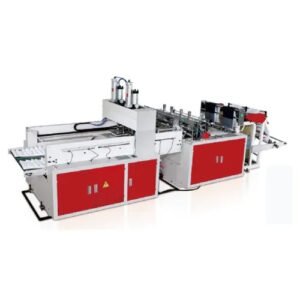
Evergreen Machine fabrica equipos especializados para bolsas plásticas con tecnología moderna. Extrusoras y bolseadoras de precisión industrial.
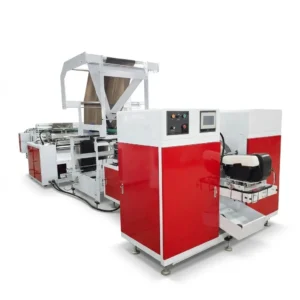
Guía profesional para seleccionar máquinas de producción plástica. Evalúa capacidad, materiales y soporte técnico con bolseadora.com.mx.
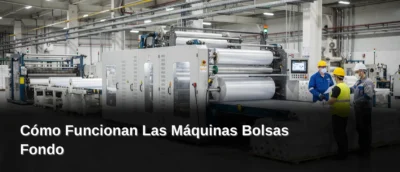
Descubre cómo funcionan las máquinas bolsas de fondo. Sellado térmico, corte automático y apilado para bolsas industriales de calidad en bolseadora.com.mx.