
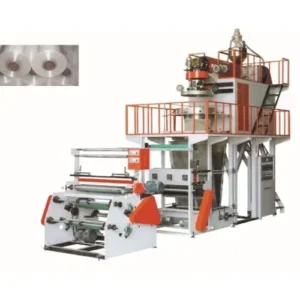
Equipo de Ingenieros: Maquinaria Plástica Evergreen
Evergreen Machine opera especialistas en maquinaria plástica desde China. Diseña líneas de producción completa con soporte técnico global y 15+ años.
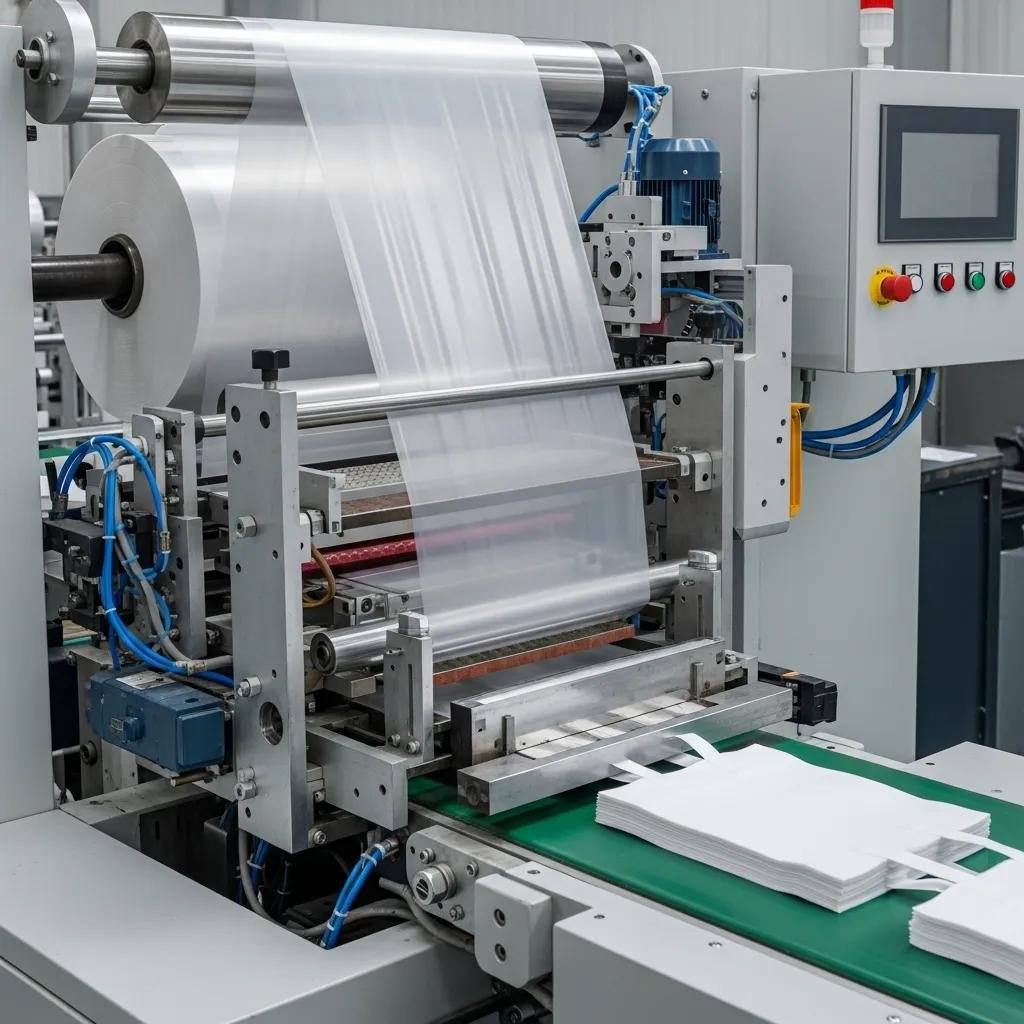
T-shirt bag making machines convert plastic film into finished T-shirt style shopping bags by continuously feeding film, sealing, cutting, punching handles and stacking output, delivering much higher throughput than manual or semi-manual methods. This guide explains how these machines work, the main machine types, selection criteria for different production scales, material considerations including HDPE, LDPE and sustainable films, maintenance best practices to maximize uptime, and how to estimate cost and ROI for investment decisions. Operators and production managers will learn the mechanical sequence that produces consistent bags, the trade-offs between hot-cut and cold-cut finishing, and the features—PLC control, servo motors and automated stacking—that drive productivity. The article also provides comparison tables and practical checklists to support purchasing decisions and operational optimization. Read on to understand each stage of bag production, choose the right machinery for your needs, and evaluate total cost and return in a structured way.
A T-shirt bag making machine is an industrial converter that transforms plastic film into finished T-shirt style bags by sequential feeding, sealing, punching, cutting and stacking operations, improving speed, consistency and labor efficiency. The machine works by unwinding parent film, aligning and printing if required, using a sealing station to form bag bottoms or handles, executing a cutting method (hot or cold) and delivering stacked bags ready for packaging. This continuous, automated sequence removes repetitive manual tasks, reduces variability in bag dimensions and lowers per-unit labor cost, which together increase throughput and quality. Below we unpack the functional steps and then list the measurable benefits operators typically prioritize.
A typical machine for producing T-shirt bags integrates several mechanical and control subsystems to convert plastic film into finished bags with minimal human intervention. The workflow begins with film unwinding and tension control, proceeds through optional printing or embossing stations, then advances to feeding rollers that position the film under punching dies for handle formation. Sealing mechanisms join film layers where required, cutting mechanisms separate individual bags, and stacking units collect bags into neat piles for downstream packaging. Understanding this sequence clarifies where adjustments—temperature, tension, punch alignment—affect final bag quality and where automation delivers the biggest productivity gains.
The primary operational advantages of T-shirt bag machines are higher production rates, reduced direct labor, and improved dimensional consistency, which together lower unit costs and reduce waste. Operators benefit from continuous operation and automated stacking that minimizes handling and speeds packing, while precision controls maintain tight tolerances across long runs. Energy-efficient drive systems and modern PLC control contribute to lower energy consumption per bag and quicker changeovers between sizes or materials. These improvements in throughput and repeatability directly support scalability for retail packaging and supermarket bag production.
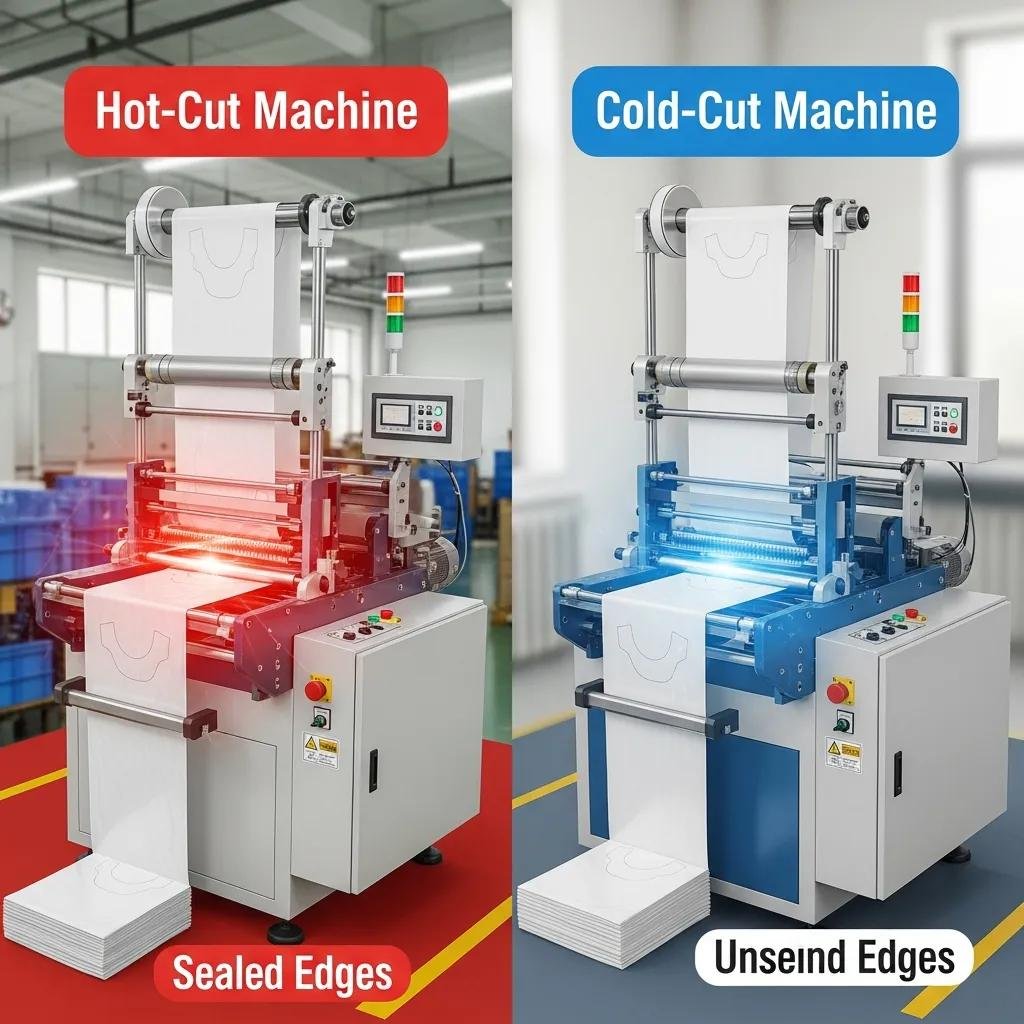
T-shirt bag machines fall into clear categories defined by cutting method and automation level: hot-cut versus cold-cut, and semi-automatic versus fully automatic high-speed lines. Hot-cut machines use heated blades to seal and cut simultaneously, often suited to certain film types and end-use requirements, while cold-cut machines separate bags mechanically without melt sealing, providing cleaner edges for some materials. Fully automatic high-speed machines combine PLC control, servo drives and auto-stacking for continuous high-throughput production, whereas semi-automatic systems are better suited to smaller volumes or flexible short runs. The following table compares these broad types across practical attributes to guide selection.
Introductory comparison of common machine types and where each is typically applied.
| Machine Type | Characteristic | Typical Application |
|---|---|---|
| Hot-cut T-shirt bag machine | Uses heated cutting bars that seal and cut in one motion; faster changeover for certain films | High-volume runs where sealed edges are acceptable |
| Cold-cut T-shirt bag machine | Mechanical cutting that preserves edge finish; less thermal stress on film | Flexible or premium bags where edge appearance matters |
| Fully automatic high-speed line | PLC, servo motors, auto stacking and in-line printing options | Large-scale supermarket and retail bag production |
Hot-cut systems apply heat during the cutting cycle so sealing and separation occur together, which simplifies the process and can raise throughput with certain polymers. The trade-off is heat-related melt marks and potential odor or fumes, which require ventilation and may limit use with heat-sensitive biodegradable films. Cold-cut machines rely on mechanical knives or shear cutters producing cleaner edges and less thermal degradation, making them preferable for some LDPE blends or compostable films. Choosing between hot and cold cutting depends on material chemistry, desired edge quality and downstream packaging requirements, so testing with the target film is essential before committing to a method.
High-speed automatic machines integrate PLC control, multiple servo motors, automatic tension compensation and stacking/packaging interfaces to sustain continuous production with minimal operator intervention. These components enable rapid acceleration to target speeds, precise bag length control, repeatable punching alignment and quick recipe changes for different bag sizes. Operational advantages include reduced staffing needs, consistent output quality across shifts, and simplified integration into packaging lines for immediate boxing or palletising. For operations planning to scale, automation reduces variability and makes throughput predictable, which simplifies cost and capacity forecasting for managers.
Selecting the right T-shirt bag making machine starts by matching required production capacity and material compatibility to machine features like cutting type, PLC control and servo drives, then validating supplier support and spare parts availability. Calculate required bags per minute from daily demand, consider film types to be processed (HDPE, LDPE, biodegradable), and prioritize control systems that simplify recipe management and tuning. In addition to technical match, assess service, training and availability of consumables to minimize downtime. Below is a buyer checklist that maps production scale to recommended features to make this process systematic and comparable across vendors.
Introductory checklist to map production needs to machine features.
| Production Scale | Recommended Capacity Focus | Recommended Features |
|---|---|---|
| Small (low-volume) | Flexibility for different bag sizes | Semi-automatic line, manual stacking, simple PLC |
| Medium | Moderate continuous throughput | Servo assists, PLC recipe control, option for inline printing |
| Large (high-volume) | High throughput and integration | Fully automatic line, multi-servo, automatic stacking, energy-efficient drives |
When evaluating machines, capacity is central: estimate required output in bags per minute and choose a model rated above that figure to allow headroom during peaks. Material compatibility matters because HDPE, LDPE and biodegradable films behave differently under tension and heat; ensure the machine’s feeding, sealing and cutting subsystems are adjustable to those film properties. Control systems such as PLC with touchscreen HMI and servo drives improve repeatability, reduce changeover time and allow precise parameter adjustments that minimize rejects. Prioritizing these factors reduces the risk of hidden costs and ensures the equipment meets both current and near-term production requirements.
Evaluating suppliers requires asking targeted questions: what support and spare parts are included, is on-site commissioning and training provided, can the vendor perform sample production with your film, and what warranty terms apply. Request factory acceptance tests or sample runs and check how the supplier documents maintenance procedures and spare parts lists. Compare model specifications directly using consistent metrics—rated throughput, power consumption, footprint and required utilities—to make apples-to-apples comparisons. Performing these steps helps you select a partner that provides both equipment performance and the after-sales support needed to keep lines running.
T-shirt bags are commonly produced from HDPE and LDPE films, each with distinct mechanical properties that affect machine setup and final bag performance. HDPE typically yields stiffer bags with lower elongation and different seal characteristics, so tension control and cutting temperature settings must account for its behavior. LDPE offers greater flexibility and sealability, often requiring different sealing temperatures and blade clearances to avoid deformation. Understanding these material differences informs machine selection, cutting method choice and process parameter settings.
HDPE is valued for stiffness, low cost and resistance to tearing, producing lightweight bags often used for supermarket produce and retail; it typically requires careful handling to avoid stretching and to achieve consistent seal quality. LDPE provides flexibility and higher clarity, which suits applications needing softer hand feel and stronger seals, and it responds differently to hot-cut temperatures and sealing pressure. Operators must adjust feeding tension, knife clearance and sealing bar temperature when switching between these films to maintain consistent bag length, handle integrity and edge finish. Material trials and small batch test runs are essential when changing grade or supplier.
Biodegradable and compostable films are increasingly used as alternatives to conventional polyolefins, but they often have narrower processing windows and cost premiums that require process adjustments. These films may melt or fray at different temperatures and can be sensitive to high heat during hot-cut operations, so cold-cut or lower-temperature hot-cut configurations are often recommended. Switching to sustainable films generally requires supplier certification review, trial production runs and recalibration of sealing and cutting parameters to avoid rejects. Balancing customer demand, regulatory labeling and the added material cost is part of the commercial decision when moving toward biodegradable options.
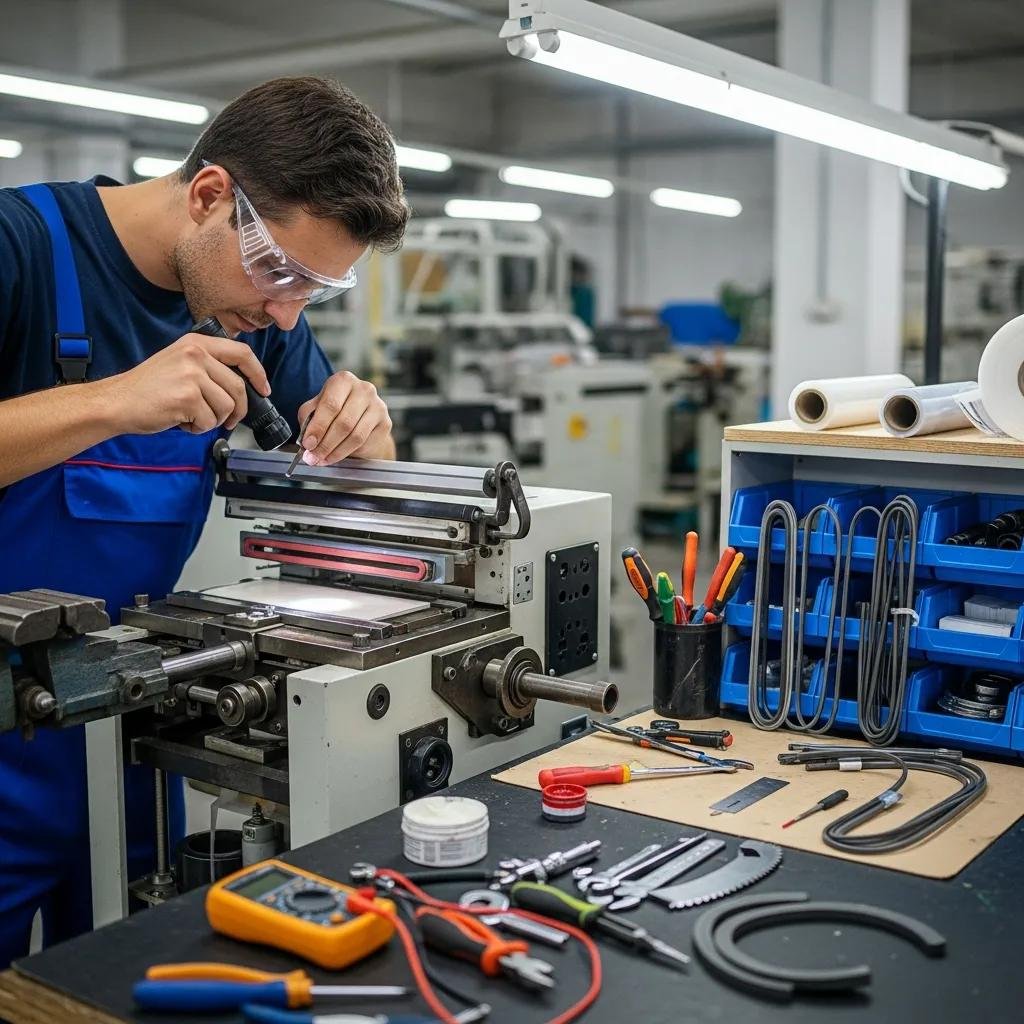
A structured preventive maintenance program maximizes uptime and extends equipment life by addressing daily checks, periodic inspections and stocking critical spare parts. Daily tasks typically include cleaning sealing surfaces, checking belt tension and roller alignment, verifying sensor function and lubricating moving parts as specified by the manufacturer. Monthly and annual inspections should encompass electrical connections, PLC backups, servo calibration and wear checks on cutting knives and punch dies. Implementing a documented maintenance schedule with logged activities and measured KPIs reduces unexpected failures and informs spare parts stocking decisions.
Regular maintenance not only prevents breakdowns but also preserves output quality by ensuring cutters, punches and seals remain within tolerance; the next section details a practical checklist and troubleshooting steps to address common faults.
A recommended preventive checklist divides tasks by frequency: daily visual checks and lubrication, weekly alignment verification and sensor cleaning, monthly electrical inspections and annual full-system calibration. Keep a basic kit of spare parts—cutting blades, seals, belts, sensors and fuses—to shorten repair time for common failures. When a fault occurs, follow a structured troubleshooting sequence: isolate the section (feed, seal, cut, stack), check sensors and signal continuity, inspect mechanical wear and review PLC error logs. Engaging qualified technicians for electrical and servo repairs is essential to avoid secondary damage and to maintain warranty compliance where applicable.
Continuous monitoring of simple KPIs—uptime percentage, throughput (bags per hour), and reject rate—reveals trends that guide small but impactful adjustments to PLC parameters, servo tuning and feed tension. Use HMI and PLC logs to identify recurring errors and to correlate process settings with reject causes; this data-driven approach enables process stabilization and incremental throughput gains. Small parameter changes, such as tightening length control or reducing sealing temperature slightly for a given film, often reduce scrap substantially when validated through short test runs. Regularly scheduled review meetings where operators and engineers discuss KPI trends accelerate learning and operational improvements.
Estimating total cost and ROI involves separating initial capital expenditure from operating costs and quantifying annual savings from increased throughput and reduced labor. Initial cost drivers include automation level, cutting method, optional inline printing and the complexity of stacking/packaging interfaces; operating costs include film, energy, maintenance and labor. To evaluate ROI, use a simple formula and then apply a worked example with transparent assumptions to see payback dynamics under different scenarios. The table below outlines common cost factors and typical ROI drivers to help structure budgeting conversations.
| Cost Component | Description | Typical Influence on ROI |
|---|---|---|
| Initial equipment cost | Price varies with automation and options | High — determines payback denominator |
| Operational cost/hour | Energy, film and labor per shift | Medium — affects net savings |
| Maintenance cost/year | Spare parts, service visits, downtime impact | Medium — reduces annual net benefits |
Initial purchase cost is influenced by machine configuration—higher automation, multi-servo systems and integrated printing increase capital expense but can reduce per-bag labor and improve throughput. Installation, training and initial spare parts inventory are additional upfront costs that should be included in budget planning. Operating costs comprise film raw material, electricity, routine maintenance and labor for supervision and packaging; these recur and scale with production volume. Hidden costs to watch include tooling changes, die replacement and potential rework from improper setup; factoring these into the total cost of ownership gives a more realistic ROI estimate.
Use a clear formula to estimate return: Annual Net Savings = (Additional annual bag output × Profit per bag) + Annual labor savings − Annual incremental operating costs; ROI = Annual Net Savings / Total Investment. As an illustrative example, if automation increases annual output and reduces direct labor costs sufficiently to produce positive net savings, divide that figure into the initial investment to compute payback months; sensitivity analysis shows which variables shorten payback (higher production price per bag, lower material costs, better uptime). Number-driven scenarios let decision-makers compare options and prioritize features that most improve the ROI profile.
These steps provide a repeatable framework to evaluate different machine options and ensure the selected investment aligns with production and financial goals.
Evergreen Machine opera especialistas en maquinaria plástica desde China. Diseña líneas de producción completa con soporte técnico global y 15+ años.
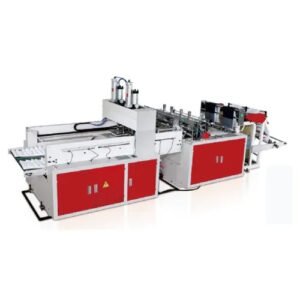
Evergreen Machine fabrica equipos especializados para bolsas plásticas con tecnología moderna. Extrusoras y bolseadoras de precisión industrial.
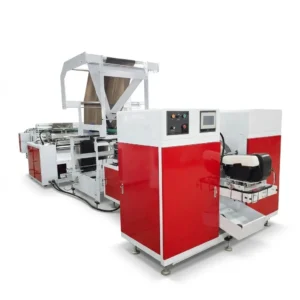
Guía profesional para seleccionar máquinas de producción plástica. Evalúa capacidad, materiales y soporte técnico con bolseadora.com.mx.
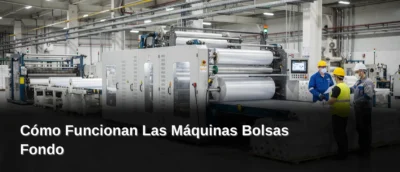
Descubre cómo funcionan las máquinas bolsas de fondo. Sellado térmico, corte automático y apilado para bolsas industriales de calidad en bolseadora.com.mx.