
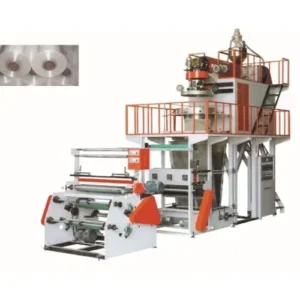
Equipo de Ingenieros: Maquinaria Plástica Evergreen
Evergreen Machine opera especialistas en maquinaria plástica desde China. Diseña líneas de producción completa con soporte técnico global y 15+ años.
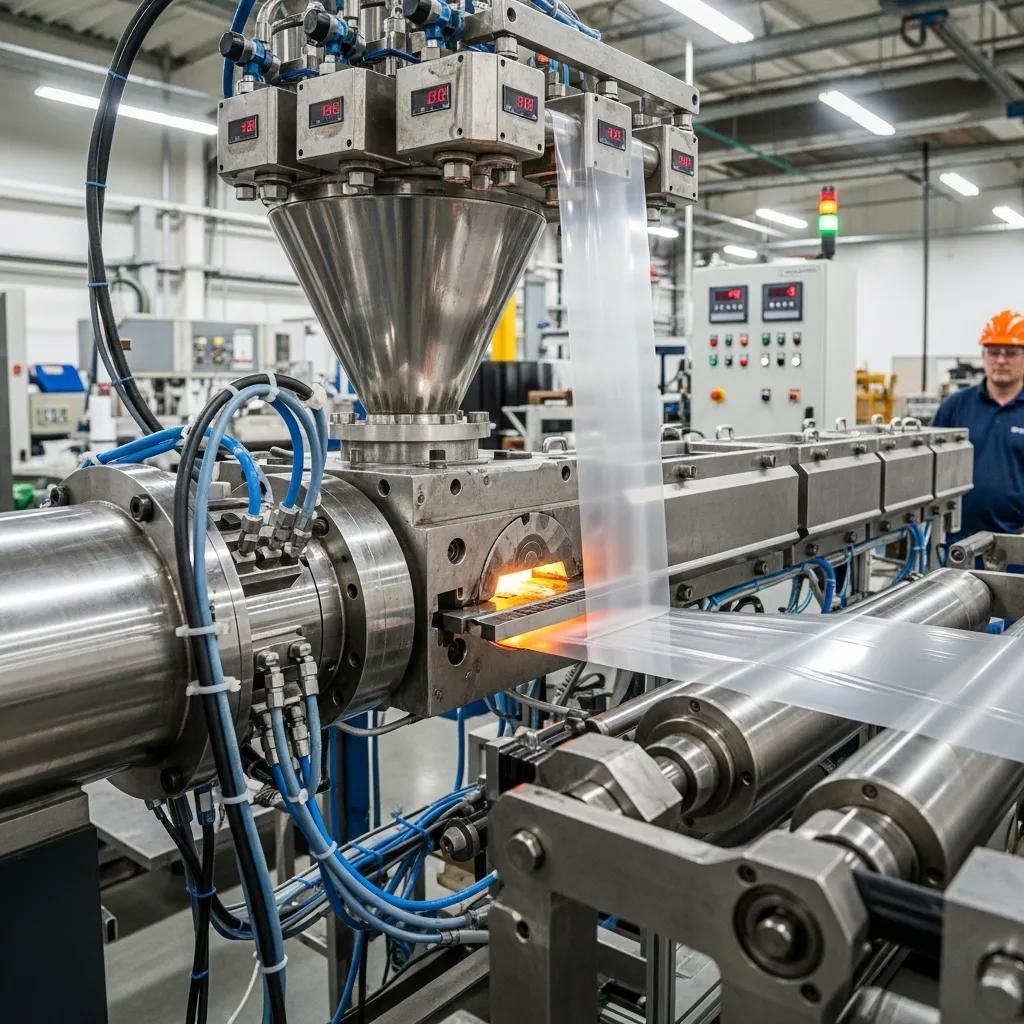
Polyethylene film extruders are specialized polymer processing systems that convert polyethylene resin into continuous films through melting, shaping, cooling, and winding, delivering scalable and recyclable film solutions for packaging and industrial uses. This article explains how extruders transform LDPE, LLDPE, and HDPE resins into films, why blown and cast approaches differ mechanically, and how multi-layer co-extrusion gives films tailored barrier, strength, and sealing properties. Many manufacturers and converters face quality variability, uneven gauge, and sustainability requirements when processing PCR materials, and this guide offers practical solutions to those problems. Readers will learn the core extrusion workflow, the machine components that control clarity and strength, a comparative view of blown vs cast vs co-extrusion systems, resin selection guidance, and hands-on optimization tips for die design, gauge control, and PCR handling. The following sections use targeted technical terms like extrusor de film, blown film extruder, cast film extruder, multi-layer co-extrusion, PCR film extrusion, and extrusion die design to ensure practical takeaways for engineers, production managers, and procurement teams. With a focus on current research and market trends through 12/2024, the guide balances process mechanics with sustainability practices to help readers select and operate extrusion lines effectively for versatile PE film production.
A polyethylene film extruder is a polymer processing machine that melts polyethylene pellets and forces the molten polymer through a shaped die to produce continuous film, delivering controlled thickness and mechanical properties for downstream converting. The core mechanism uses a rotating screw to melt and homogenize resin, a die to form an annular or flat sheet, a forming/cooling stage (bubble or chill rolls) to set the film, and a winder to collect the finished roll; this sequence produces films with specific gauge, clarity, and orientation. Typical performance metrics include output (kg/h), film thickness range (microns), line speed (m/min), and blow-up ratio for blown film lines; monitoring these metrics lets operators match equipment to application demands. Understanding these metrics and the basic workflow prepares readers for troubleshooting common defects like gauge variation and poor optics, which we address in subsequent process and component sections.
This section now breaks the extrusion workflow into an explicit, stepwise process to illustrate typical operating stages and control points that influence final film quality and consistency.
Polyethylene extrusion proceeds through the following primary stages:
The next subsection explains typical process parameters and troubleshooting tips at each stage to help operators maintain consistent film characteristics.
The extrusion process starts with pellet feeding and progresses through melting, filtration, shaping, cooling, and winding, with each stage governed by specific parameters like melt temperature, screw speed, blow-up ratio, and chill-roll speed. Controlling melt temperature and screw RPM influences melt index and dispersion of additives, while blow-up ratio and frost line height determine film orientation and mechanical strength. Typical parameter ranges include melt temperatures from ~150–250°C depending on PE grade, screw speeds tailored to output, and blow-up ratios from 1.5:1 to 3:1 for common blown film products; operators adjust these to balance clarity, tensile properties, and output. Troubleshooting tips include checking screen packs for contamination to avoid gels, adjusting air ring flow to correct bubble instability, and using inline thickness measurement to detect gauge drift early. Understanding these parameter interactions leads naturally into a discussion of the components most responsible for achieving target film attributes.
Industrial extruders consist of meridian parts—screw, barrel, die head, air ring or chill rolls, nip rolls, and winder—that together control melt quality, film forming, cooling, and winding, with each component directly influencing film clarity, strength, and gauge. The screw and barrel govern shear, residence time, and melting efficiency; the die head determines film profile uniformity and lip-gap control; the air ring and frost-line control influence bubble stability in blown film; and chill rolls provide rapid quench and surface finish in cast film lines. Components most affecting clarity include die polish and melt filtration, while gauge control depends on precise die gap and responsive nip/winder tension control systems; winder design also impacts roll quality. A practical parts checklist below highlights the role of each component and sets up the next section comparing extruder types and their typical applications.
These component roles lead directly into a comparative analysis of the major extruder/line types used for PE film production.
Polyethylene film production commonly uses three major line types—blown film extruders, cast film extruders, and multi-layer co-extrusion lines—each delivering distinct trade-offs in clarity, strength, throughput, and layer functionality. Blown film extruders form a tubular bubble offering material orientation and excellent toughness, cast film systems use flat dies and chill rolls for superior optical clarity and surface finish, and co-extrusion lines enable multi-layer constructions combining barrier, sealant, and structural layers. Choice of line depends on target properties: flexible packaging and heavy-duty stretch films often favor blown lines, high-clarity laminating or printing films generally use cast lines, and barrier pouches or complex packaging rely on co-extrusion. The table below compares these line types across practical attributes to aid selection for specific applications.
The following table compares extruder/line types and their characteristic performance attributes to help match technology to application requirements.
| Extruder Type | Characteristic Attribute | Practical Value |
|---|---|---|
| Blown Film Extruder | Output range and orientation | Moderate throughput; offers biaxial orientation improving toughness and puncture resistance |
| Cast Film Extruder | Optical clarity and surface finish | High clarity and smoothness; ideal for printing and lamination applications |
| Multi-layer Co-extrusion Line | Layer functionality and barrier capability | Enables 3–7 layer constructions combining PE sealant layers with barrier or tie layers |
This comparison highlights when a producer should choose a blown system for toughness, a cast system for optics, or co-extrusion to combine functions, and it sets up focused descriptions of each technology’s benefits and mechanics.
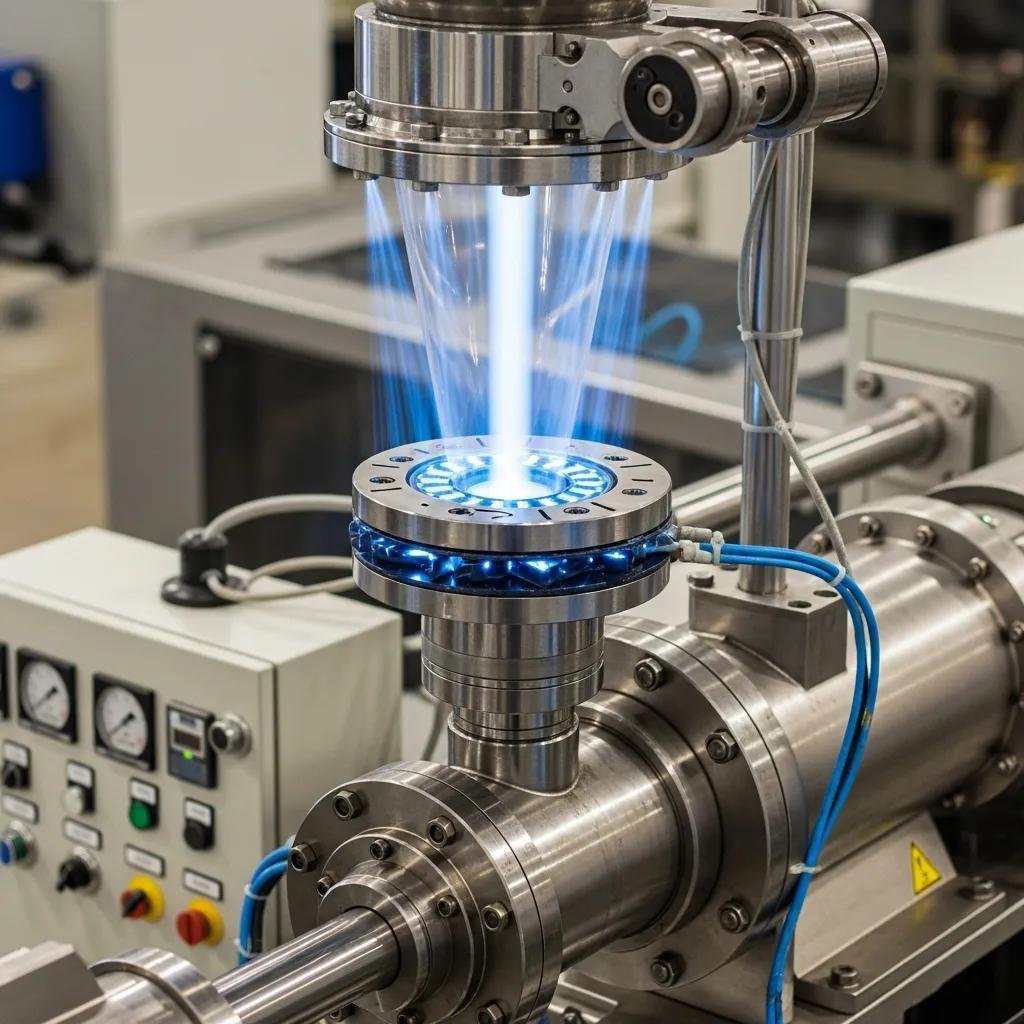
Blown film technology shapes molten polyethylene through an annular die and inflates a bubble that is cooled by an air ring, creating films with controlled orientation, improved mechanical strength, and good material efficiency. Key adjustable parameters include blow-up ratio, frost line height, and layflat width, which influence orientation, thickness distribution, and mechanical anisotropy in the final film. Blown lines excel at producing stretch, shrink, and heavy-duty films with good puncture resistance and are flexible in layer count when configured for co-extrusion; they are also material-efficient for many LLDPE and LDPE applications. Practical benefits include lower die maintenance relative to flat dies and strong performance for flexible packaging, which leads to the next section explaining how cast film differs and where each approach is preferred.
Cast film extrusion uses a flat die and chill rolls to quench a cast sheet rapidly, producing films with outstanding optical clarity, surface smoothness, and dimensional stability for high-quality printing and lamination applications. Cast lines are preferred when surface finish and consistent gauge for converting (printing, metallizing, or lamination) matter most, and they handle high-speed operations with precise chill-roll temperature control to manage crystallinity and gloss. While cast systems can be less forgiving with recycled content and offer different mechanical properties than blown films, their superior clarity makes them ideal for retail packaging and applications requiring excellent printability. Understanding these distinctions prepares readers for how multi-layer co-extrusion can combine the best attributes of these base technologies into optimized film structures.
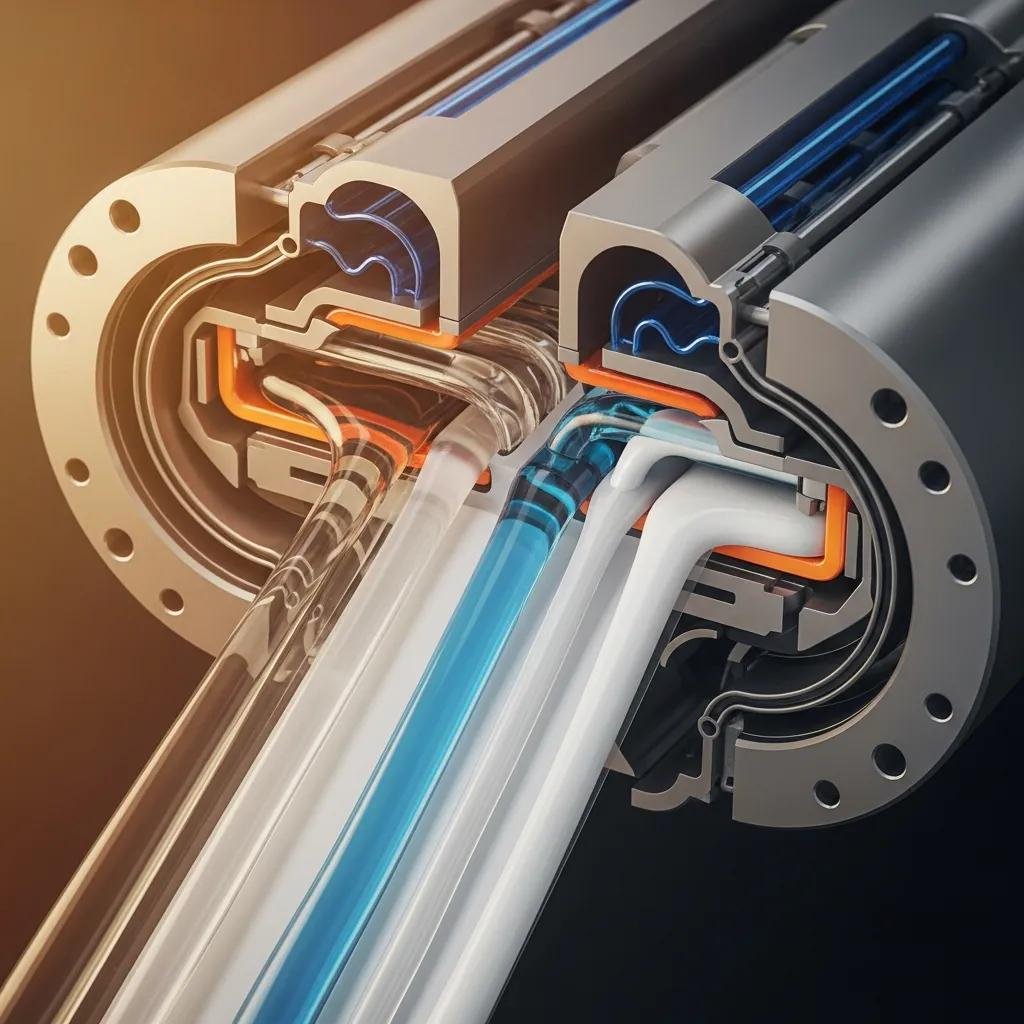
Multi-layer co-extrusion joins multiple polymer melts through manifolded dies to build films with layered functionality, allowing distinct layers to supply barrier, seal, slip, or structural performance without compromising overall recyclability when carefully designed. Co-extrusion enables architectures such as 3-layer (A/B/A), 5-layer (skin-core-skin with tie layers), or 7-layer stacks that place thin functional barrier layers (like EVOH or tie layers) between PE structural and sealant layers to balance strength and barrier. Key benefits of co-extrusion include tailored oxygen/moisture barrier, optimized puncture resistance, and precise surface properties for sealing or printing, which can reduce material use by placing high-performance materials only where needed. Designing multi-layer films requires trade-offs between cost and performance and careful consideration of compatibilizers and tie layers to maintain adhesion and processing stability.
The next subsection explains layer-design principles that maximize barrier performance while keeping recycling and processing practical.
Designing barrier-oriented multi-layer films involves selecting layer order, thickness distribution, and compatible tie layers so that thin high-barrier layers (e.g., EVOH when used) achieve gas impermeability while outer PE layers provide mechanical strength and sealability. Typical strategies use a thin central barrier layer shielded by PE structural layers and tie layers to bond dissimilar polymers; layer thicknesses are optimized to meet oxygen transmission rate (OTR) targets without excessive cost or processing difficulty. When maintaining recyclability is a priority, designers minimize non-PE content or use PE-based barrier innovations and compatible tie layers that allow streamlined recycling streams. Practical layer-design examples include 5-layer structures with outer LDPE sealant layers, mid-layer LLDPE for toughness, and a thin functional barrier, which informs application-specific constructions discussed next.
Multi-layer PE films are widely used in food packaging pouches, heavy-duty industrial films, and barrier laminates where oxygen and moisture protection, puncture resistance, and controlled seal behavior are required for shelf life and handling. For example, flexible food pouches often require oxygen barriers and heat-sealable inner layers, demand-controlled moisture barriers, and surface layers suitable for printing; industrial films may prioritize puncture and tear resistance for load containment. Performance metrics that matter include OTR, MVTR, seal strength, and puncture resistance; manufacturers select multi-layer constructions to meet those metrics for specific use cases. Case examples guide how engineers choose layer counts and materials to meet application-specific targets and set up a deeper look at resin choices and additives in the next section.
Material science for PE film production centers on selecting the appropriate resin grade (LDPE, LLDPE, HDPE), additives, and recycled content strategies to balance melt behavior, mechanical properties, and processing stability across extrusion lines. Resin selection affects melt index, crystallinity, flexibility, and puncture resistance, while additives such as antiblock, slip agents, and antioxidants modulate processing and end-use properties; incorporating PCR requires compatibilization and robust quality control to avoid contamination-related defects. The table below compares common PE resin grades by processing and film attributes to support material selection decisions for different film formats and equipment types.
Below is a comparison table that outlines key resin attributes—melt index, flexibility, puncture resistance, and typical film applications—so readers can match resin properties to performance requirements.
| Resin Grade | Processing Attribute | Typical Film Application |
|---|---|---|
| LDPE | Low crystallinity, high flexibility | Stretch films, bags, sealant layers |
| LLDPE | Balanced melt strength and puncture resistance | Stretch wrap, heavy-duty films, cast and blown films |
| HDPE | High stiffness and puncture resistance | Industrial liners, thicker films, heavy-duty sacks |
This comparison clarifies trade-offs between flexibility and strength and leads into practical guidance on how to incorporate recycled polyethylene and additives while maintaining performance.
LDPE produces soft, flexible films with good sealability and low stiffness, making it ideal for films requiring pliability and good heat-seal performance, while LLDPE offers superior tensile and puncture resistance with similar flexibility useful for stretch and cling films. HDPE provides high stiffness and puncture resistance but tends to be less transparent and less suitable where flexibility or high clarity is required, commonly finding use in thicker industrial films. Processing adjustments include lower melt temperatures for LDPE to preserve softness, and optimized screw designs and cooling for LLDPE to control orientation and strength; these resin choices directly influence die selection and line settings. Understanding these resin-specific adjustments prepares operators to handle blends and PCR incorporation discussed next.Incorporating Recycled Polyethylene and Additives for Sustainable Films
Incorporating post-consumer recycled (PCR) polyethylene into film lines requires attention to contamination thresholds, consistent melt filtration, and use of compatibilizers or stabilizers to maintain processability and end-use properties. Practical steps include aggressive upfront sorting, robust melt filtration and screen packs, controlled drying where needed, and incremental blending of PCR with virgin resin to validate performance; monitoring for gels and odor is critical. Additives such as antioxidants, process stabilizers, and compatibilizers help stabilize PCR blends and mitigate property losses; recommended quality-control measures include routine melt flow index checks and inline spectroscopic monitoring when available. These sustainable practices transition naturally into the next section that maps film types to end-market applications.
Versatile PE films serve broad markets including flexible packaging for consumer goods, agriculture (mulch and greenhouse films), and industrial/construction uses where moisture, chemical, and mechanical protection are required, with each sector demanding specific performance metrics. Flexible packaging values clarity, sealability, and barrier where necessary; agricultural films prioritize UV stability, target lifetime, and tensile/tear performance; industrial films focus on puncture resistance and chemical resistance. Emerging applications such as e-commerce protective films and recycled-content labeling are shaping specifications, while converters balance clarity versus strength trade-offs when selecting film constructions. The following subsections illustrate typical product formats, target properties, and examples of film constructions for these markets.
Flexible packaging formats like stand-up pouches, shrink films, and stretch wrap use PE film variants that emphasize combinations of clarity, barrier, and seal performance depending on product needs and shelf-life requirements. For instance, stand-up pouches often combine a sealant layer with a barrier mid-layer and a printable outer surface, while shrink films rely on controlled orientation and shrinkage properties enabled by blown or cast processes. Property trade-offs include choosing higher clarity cast films for premium retail packaging versus tougher blown films for heavy-load stretch applications; converters select film constructions that balance printability, seal integrity, and recyclability. Understanding these format-specific needs helps packaging engineers choose the appropriate extrusion line and resin blend.
Agricultural films—including greenhouse covers, mulch films, and silage wrap—require UV stabilization, targeted lifetimes, and thickness ranges typically from 25 to 200 microns depending on application, while industrial barrier films need exceptional puncture resistance and chemical stability. UV stabilizers and additives extend outdoor life and prevent embrittlement, and thicker gauge films or co-extruded structures improve puncture and tear resistance for heavy-duty industrial tasks. Example specifications include mulch films formulated for seasonal degradation windows and greenhouse films engineered for light diffusion and thermal retention; these application requirements lead directly into practical optimization methods for extrusion processes to meet such demanding specs.
Optimizing extrusion for quality and sustainability combines die design, inline gauge control, energy-efficient drives, and PCR-handling protocols to minimize waste, stabilize properties, and reduce operating costs while meeting product specifications. Key optimization levers include precise die lip design and manifold balancing for uniform flow, closed-loop thickness measurement systems (optical or laser) tied to variable-frequency drives or servo-driven nip rolls for fast correction, and process control recipes that stabilize melt temperature and screw speed. Energy efficiency improvements include servo motors, process integration to recover heat, and control strategies that minimize idling; PCR processing benefits from pre-sorting, robust melt filtration, and staged blending to prevent property surprises. The actionable checklist below lays out prioritized steps to improve both film quality and sustainability performance.
These optimization steps naturally lead into a closer look at die design and inline control methods that directly address common manufacturing defects.
Die design choices—annular vs flat, lip geometry, and manifold balancing—determine flow uniformity and influence gauge control, with small lip adjustments producing measurable changes in thickness distribution and edge bead behavior. Maintaining uniform die temperature and using high-precision machining and polish reduce melt flow disturbances that can cause gels or opacity; manifold designs with flow restrictors can equalize flow to outer regions. Inline gauge control technologies such as infrared, beta, or laser-based systems provide non-contact thickness measurement and feed closed-loop control systems linking gauge data to haul-off or extruder speed adjustments; common tolerances for film gauge vary by application but often target ±2–5% for critical packaging films. Quick troubleshooting tips include isolating die temperature zones and checking for worn lip seals when edge thinner zones appear, and these methods contribute to consistent, high-quality film production.
Reliable PCR processing begins with rigorous inbound quality control, including contaminant screening and melt filtration, followed by incremental blending strategies, use of stabilizers, and process monitoring to detect degradation or odor, ensuring finished film meets specifications. Recommended filtration includes staged screen packs and melt filtration systems sized to the expected contamination load, and compatibilizers or tie layers help maintain interlayer adhesion when non-PE barrier layers are used. Energy efficiency gains are realized through servo-driven extruders and haul-offs, optimizing thermal profiles to reduce heat loss, and implementing waste-reduction practices like edge trim recycling and centralized material handling to lower scrap. Together, these practices achieve both product quality and environmental objectives, rounding out the practical guidance this guide provides for modern PE film extrusion operations.
This document ends after the last provided heading, with detailed operational and material guidance to help engineers, production managers, and procurement teams apply polyethylene film extruders and versatile PE film solutions effectively.
Evergreen Machine opera especialistas en maquinaria plástica desde China. Diseña líneas de producción completa con soporte técnico global y 15+ años.
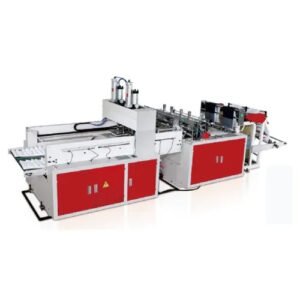
Evergreen Machine fabrica equipos especializados para bolsas plásticas con tecnología moderna. Extrusoras y bolseadoras de precisión industrial.
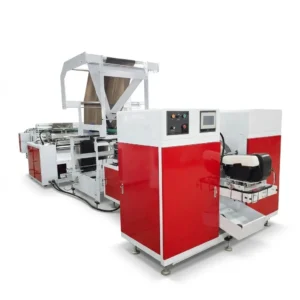
Guía profesional para seleccionar máquinas de producción plástica. Evalúa capacidad, materiales y soporte técnico con bolseadora.com.mx.
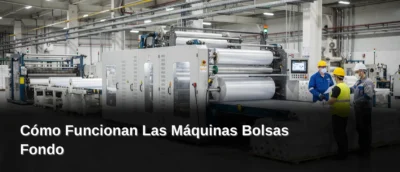
Descubre cómo funcionan las máquinas bolsas de fondo. Sellado térmico, corte automático y apilado para bolsas industriales de calidad en bolseadora.com.mx.