
Equipo de Ingenieros: Maquinaria Plástica Evergreen
Evergreen Machine opera especialistas en maquinaria plástica desde China. Diseña líneas de producción completa con soporte técnico global y 15+ años.
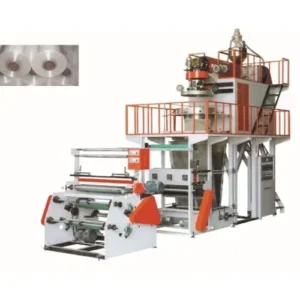
Garbage bag making machines play a crucial role in the waste management industry by producing durable and reliable trash bags. This article delves into the various types of machines available, their features, and the technologies that enhance their efficiency. Readers will learn about the production processes that contribute to the strength of garbage bags, the characteristics that define heavy-duty options, and how to select the right machine for specific needs. As waste management becomes increasingly important, understanding these machines can help businesses optimize their operations and meet consumer demands for quality and sustainability. We will explore key types of machines, the impact of plastic film extrusion, advanced technologies in production, and current market trends.
Garbage bag making machines are essential for producing various types of trash bags, each designed for specific applications. The primary types include:
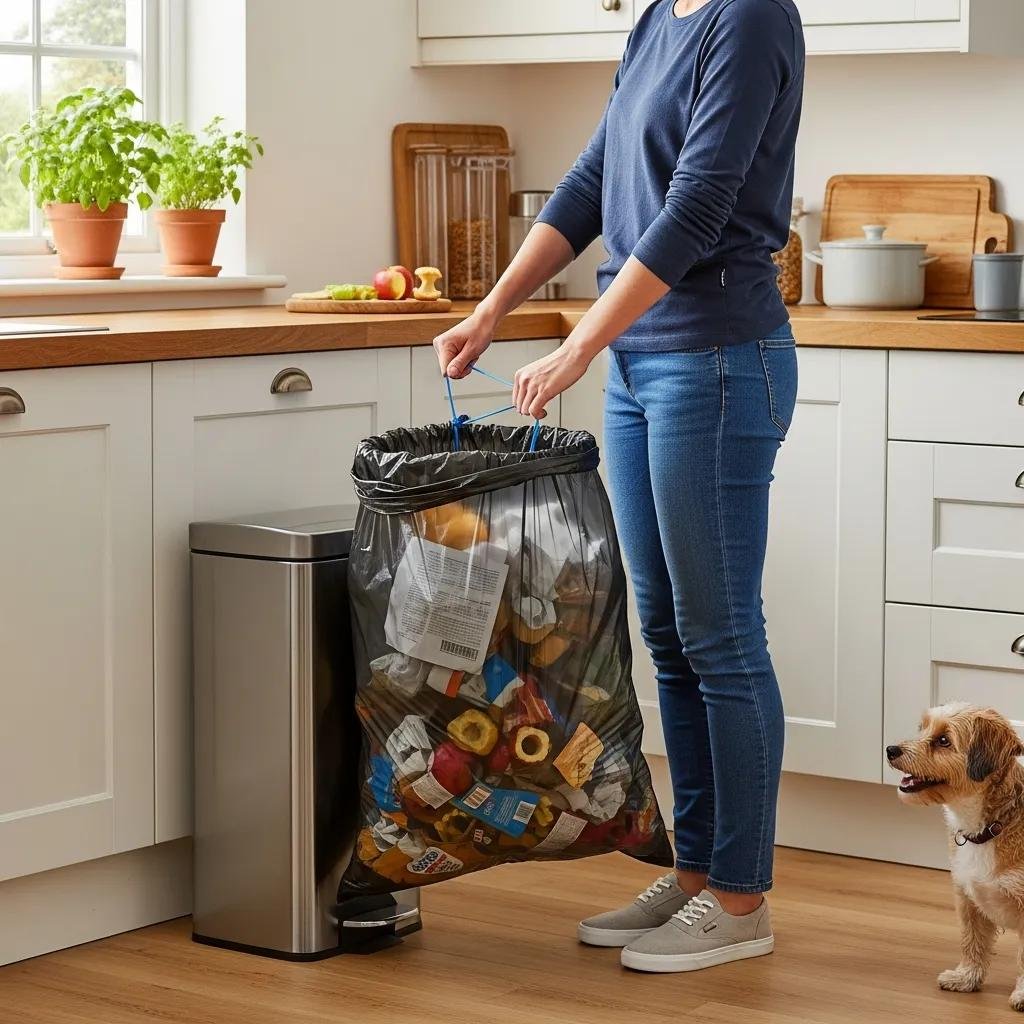
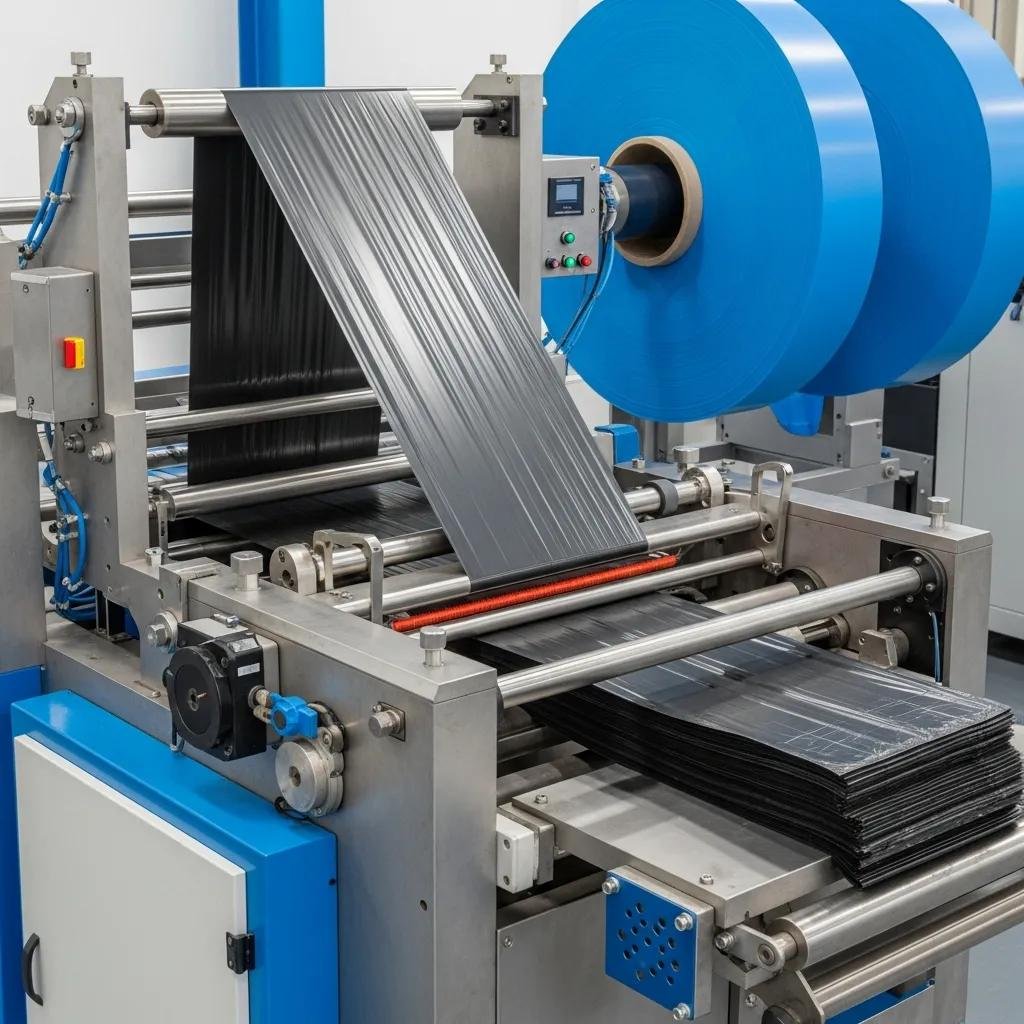
Drawtape garbage bag machines are designed to produce bags that feature a drawstring closure, making them user-friendly. This design allows users to easily close and carry the bags without the need for additional ties or clips. The convenience of drawtape closures is particularly beneficial for households and businesses that require quick and efficient waste disposal solutions. Additionally, these machines can be adjusted to produce bags in various sizes, catering to different consumer needs.
Star seal and T-shirt bag machines differ in their sealing methods and intended uses. Star seal bags are constructed with a unique sealing technique that provides extra strength at the bottom, making them suitable for heavy loads. In contrast, T-shirt bag machines focus on producing lightweight bags that are easy to handle and transport. Both types of machines offer distinct advantages, with star seal bags excelling in durability and T-shirt bags being favored for their cost-effectiveness in retail environments.
Plastic film extrusion is a critical process in the production of garbage bags, as it directly influences their strength and durability. This process involves melting plastic pellets and forming them into thin films, which are then used to create bags.
The blown film extrusion process involves several steps: first, plastic pellets are heated until they melt; then, the molten plastic is extruded through a circular die, forming a tube. This tube is inflated to create a bubble, which is then cooled and flattened to produce a film. The resulting film is strong and flexible, making it ideal for garbage bag production. This method is favored for its ability to produce high-quality films that can withstand various stresses during use.
The choice of materials significantly impacts the resistance and durability of garbage bags. High-Density Polyethylene (HDPE), Low-Density Polyethylene (LDPE), and Linear Low-Density Polyethylene (LLDPE) each offer unique properties:
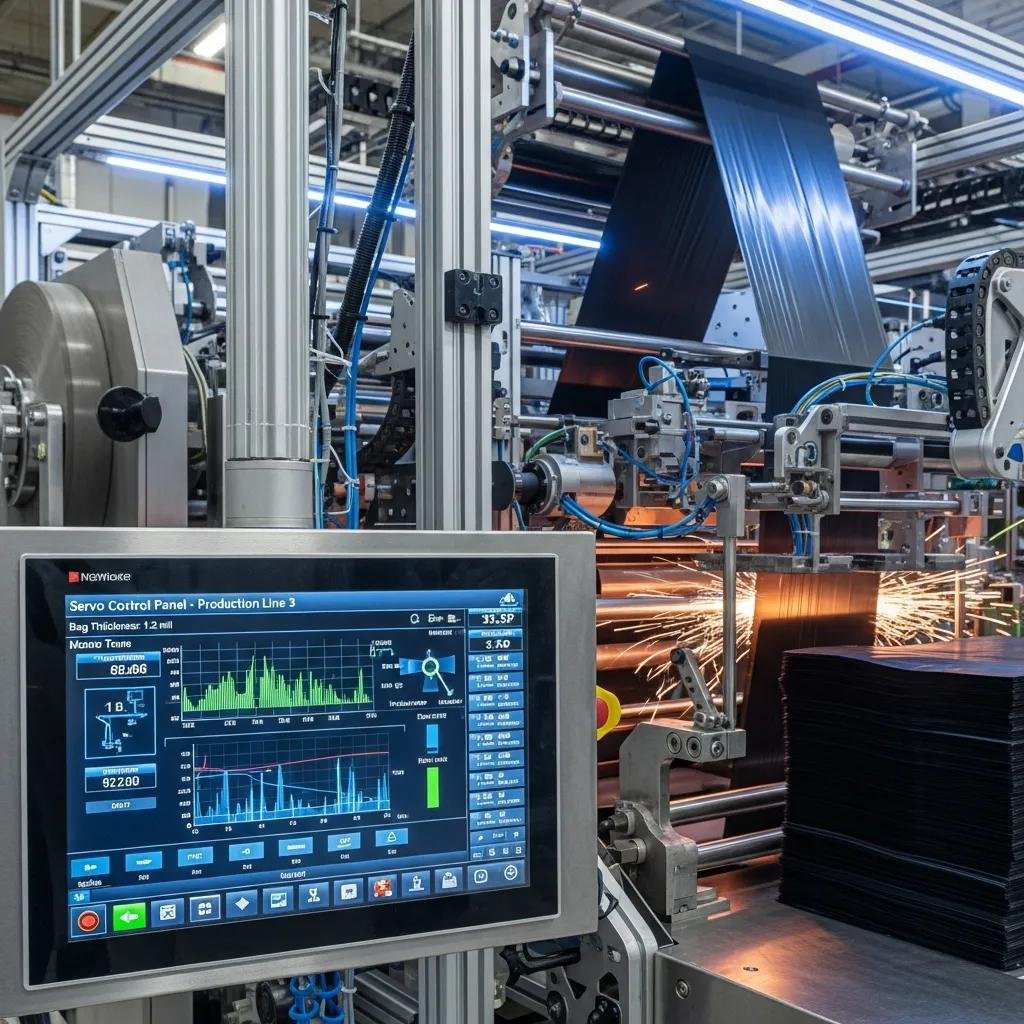
Advancements in technology have significantly enhanced the efficiency of garbage bag production. Automation and precision engineering are at the forefront of these improvements.
Automation in garbage bag production involves the use of servo motors and computerized controls to streamline operations. This technology allows for precise adjustments in speed and tension, resulting in consistent product quality. Automated systems can also reduce labor costs and increase production rates, enabling manufacturers to meet higher demand without compromising quality.
Precise sealing and cutting mechanisms are essential for ensuring the integrity of garbage bags. High-quality sealing techniques prevent leaks and tears, while accurate cutting ensures uniform bag sizes. These features not only enhance the usability of the bags but also reduce material waste during production, contributing to overall efficiency.
Heavy-duty garbage bags are designed to withstand rigorous use and are characterized by their material composition and thickness. Understanding these characteristics is crucial for selecting the right bags for specific applications.
The durability of heavy-duty garbage bags is largely determined by their material composition and thickness. Thicker bags made from high-quality plastics are less likely to tear or puncture, making them suitable for industrial and commercial use. Additionally, the choice of materials, such as HDPE or LLDPE, can further enhance the bags’ resistance to various types of waste.
Puncture resistance and tensile strength are critical factors in the performance of heavy-duty garbage bags. Puncture resistance refers to the bag’s ability to withstand sharp objects without tearing, while tensile strength measures the bag’s ability to resist stretching and breaking under load. Both characteristics are essential for ensuring that bags can handle heavy and sharp waste materials without failure.
Selecting the appropriate garbage bag making machine involves considering several factors that align with production goals and operational requirements.
When choosing a garbage bag making machine, it is essential to evaluate its capacity, the types of materials it can process, and its energy efficiency. Machines with higher capacities can produce more bags in less time, which is beneficial for large-scale operations. Additionally, compatibility with various materials allows for flexibility in production, while energy-efficient models can reduce operational costs.
Regular maintenance is crucial for the longevity of garbage bag making machines. Machines designed with modular components allow for easier repairs and upgrades, minimizing downtime. Investing in machines that are easy to maintain can lead to significant cost savings and improved production efficiency over time.
The market for resistant garbage bags is evolving, driven by consumer demand for sustainability and innovation in waste management solutions.
Sustainability is a significant trend influencing the production of garbage bags. Many manufacturers are now focusing on biodegradable materials that reduce environmental impact. These bags decompose more quickly than traditional plastic options under appropriate composting conditions, appealing to environmentally conscious consumers and businesses.
Heavy-duty trash bag machines are particularly beneficial for industries that generate large volumes of waste, such as construction, healthcare, and food service. These sectors require robust bags that can handle heavy and potentially hazardous materials, making the efficiency and reliability of production machines critical to their operations.
| Machine Type | Key Features | Applications |
|---|---|---|
| Drawtape Machines | User-friendly design, adjustable sizes | Household waste, commercial use |
| Star Seal Machines | Leak-resistant design, heavy-duty | Industrial waste, construction |
| T-shirt Bag Machines | Lightweight, cost-effective | Retail, grocery stores |
This table highlights the distinct features and applications of various garbage bag making machines, illustrating their importance in different sectors.
| Material Type | Characteristics | Best Use |
|---|---|---|
| HDPE | Strong, rigid | Heavy-duty bags |
| LDPE | Flexible, lightweight | General waste |
| LLDPE | Stretchable, durable | Versatile applications |
This comparison of material types emphasizes how different plastics contribute to the performance of garbage bags, guiding manufacturers in their production choices.
Garbage bag making machines are vital in producing high-quality, resistant trash bags that meet the demands of various industries. By understanding the types of machines, production processes, and market trends, businesses can optimize their operations and contribute to more sustainable waste management practices.
Evergreen Machine opera especialistas en maquinaria plástica desde China. Diseña líneas de producción completa con soporte técnico global y 15+ años.
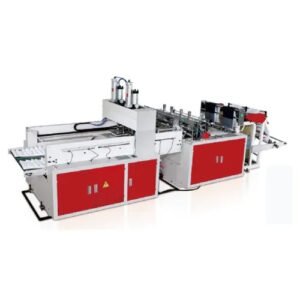
Evergreen Machine fabrica equipos especializados para bolsas plásticas con tecnología moderna. Extrusoras y bolseadoras de precisión industrial.
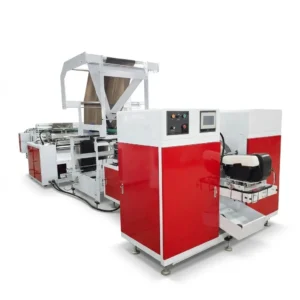
Guía profesional para seleccionar máquinas de producción plástica. Evalúa capacidad, materiales y soporte técnico con bolseadora.com.mx.
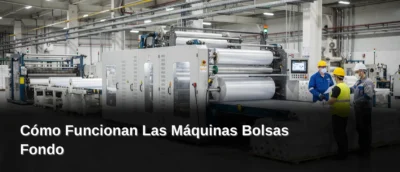
Descubre cómo funcionan las máquinas bolsas de fondo. Sellado térmico, corte automático y apilado para bolsas industriales de calidad en bolseadora.com.mx.