
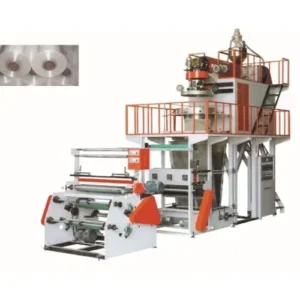
Equipo de Ingenieros: Maquinaria Plástica Evergreen
Evergreen Machine opera especialistas en maquinaria plástica desde China. Diseña líneas de producción completa con soporte técnico global y 15+ años.
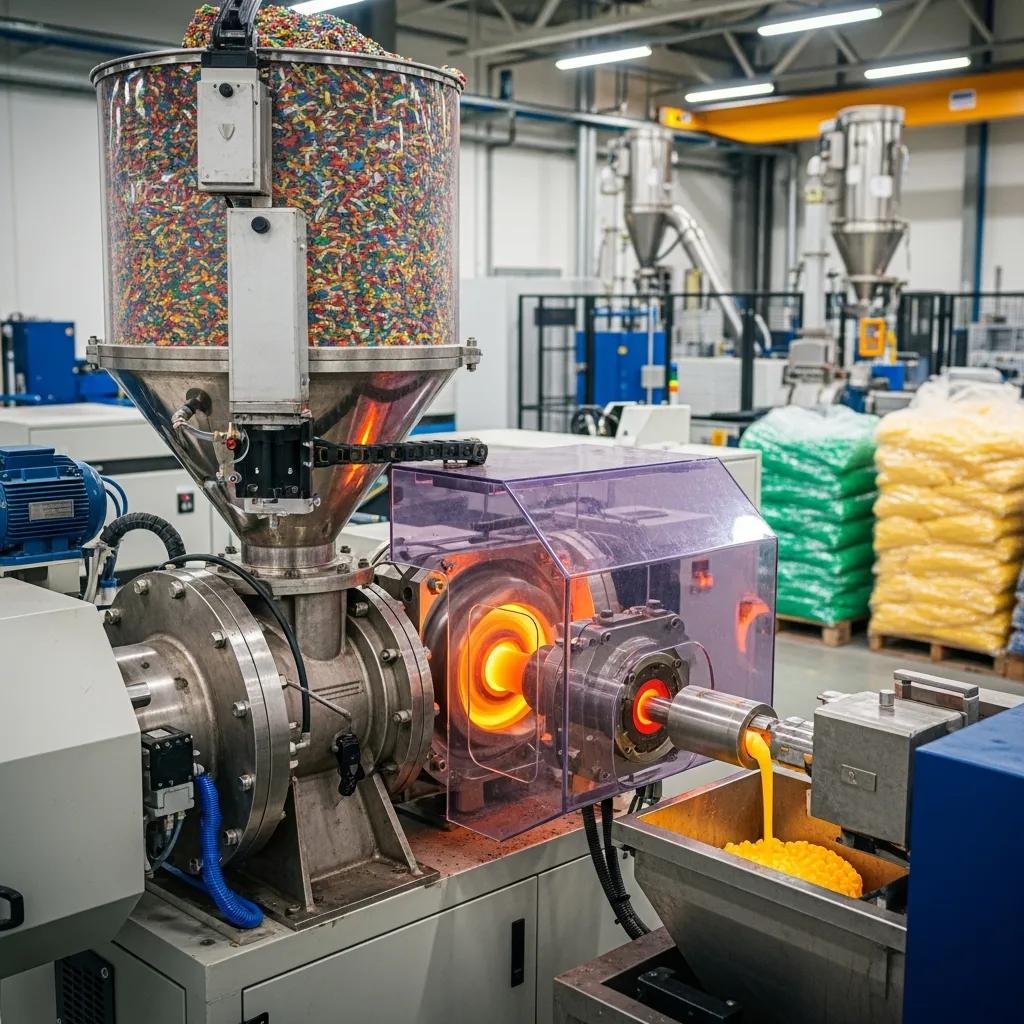
Plastic recycling extruders play a crucial role in transforming recovered plastic into usable materials for sustainable manufacturing.
This comprehensive guide will delve into the mechanisms, types, and benefits of plastic recycling extruders, providing insights into how they contribute to a circular economy.
As the world grapples with increasing plastic waste, understanding the functionality and advantages of these machines becomes essential for businesses and environmental advocates alike.
This article will explore the definition and operation of plastic recycling extruders, the various types available, the processing of different plastics, key technologies, economic and environmental benefits, and guidance on selection and maintenance.
Plastic recycling extruders are specialized machines designed to process recovered plastic materials into new products. They operate by melting down plastic waste and reforming it into pellets or other shapes, which can then be used in manufacturing. The primary benefit of these extruders lies in their ability to recycle various types of plastics, reducing waste and promoting sustainability in manufacturing processes.
A plastic recycling extruder consists of several key components that work together to facilitate the recycling process:
These components are essential for the efficient operation of the extruder, ensuring that the recycling process is both effective and consistent.
The process of recycling plastic using extruders involves several critical steps:
This step-by-step process highlights the efficiency of plastic recycling extruders in converting waste into valuable materials.
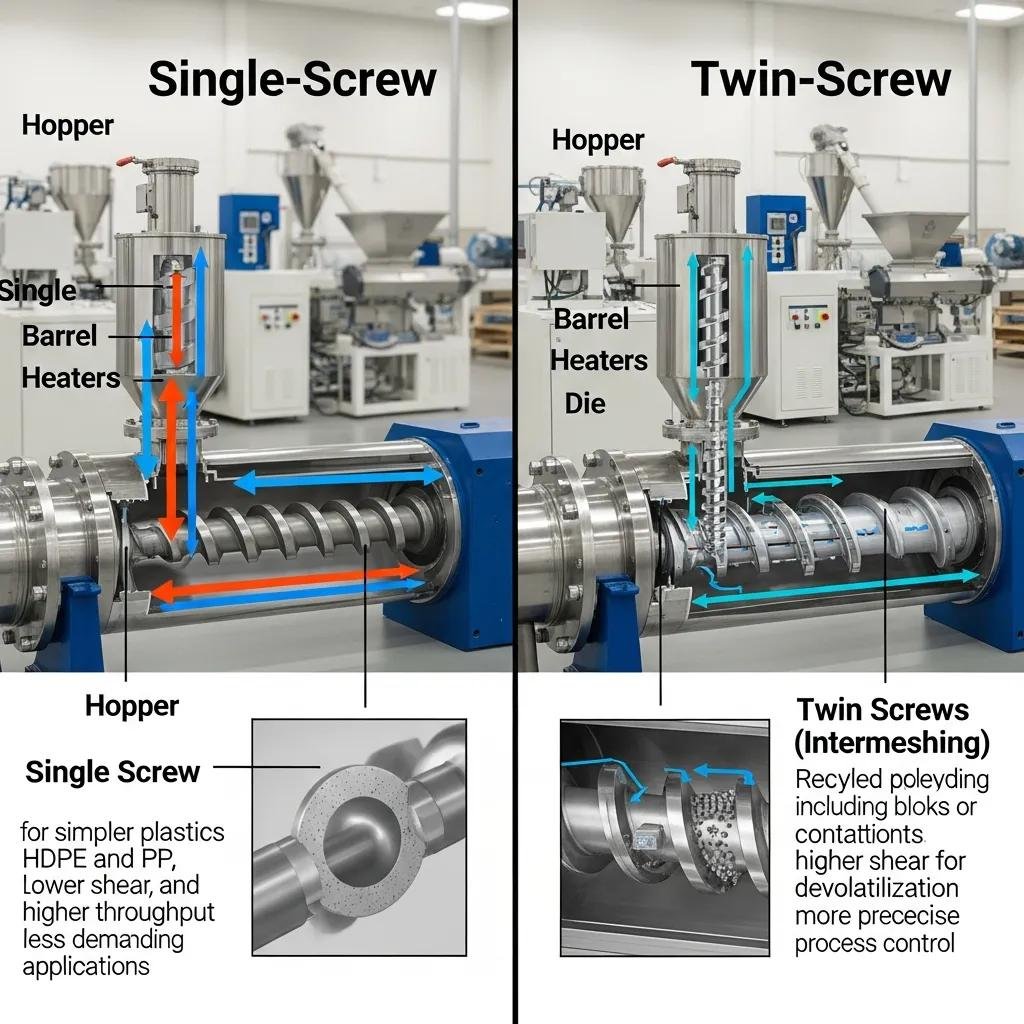
There are various types of plastic recycling extruders, each designed for specific applications and materials. Understanding these differences is crucial for selecting the right equipment for recycling operations.
Single-screw and twin-screw extruders are the two primary types used in plastic recycling:
The choice between these two types depends on the specific recycling needs and the types of plastics being processed.
Specialized extruders are designed to handle challenging materials, such as contaminated or mixed plastics. These machines often feature advanced technologies that enhance their processing capabilities, including:
These specialized extruders play a vital role in expanding the types of plastics that can be effectively recycled.
Different types of recovered plastics require tailored processing approaches to ensure effective recycling. Understanding these methods is essential for optimizing recycling operations.
Recycling plastic films presents unique challenges, primarily due to their lightweight and flexible nature. Common issues include:
To overcome these challenges, specialized cleaning and processing techniques are employed, such as pre-washing, drying, and using dedicated extruders or modified feeding systems designed for films.
Extruders are capable of processing various polymer types, each requiring specific conditions:
Understanding the properties of these polymers helps in selecting the right processing parameters for optimal recycling outcomes.
Modern plastic recycling extruders incorporate advanced technologies that enhance their performance and efficiency. These innovations are crucial for improving the quality of recycled materials.
Advanced filtration and degassing systems are essential for ensuring the quality of recycled plastics. These technologies help to:
By integrating these technologies, manufacturers can produce higher-quality recycled plastics that meet industry standards.
Automation and energy efficiency are increasingly important in modern plastic recycling. Automated systems enhance operational efficiency by:
Energy-efficient designs also contribute to lower operational costs and reduced environmental impact, making them a preferred choice for many manufacturers.
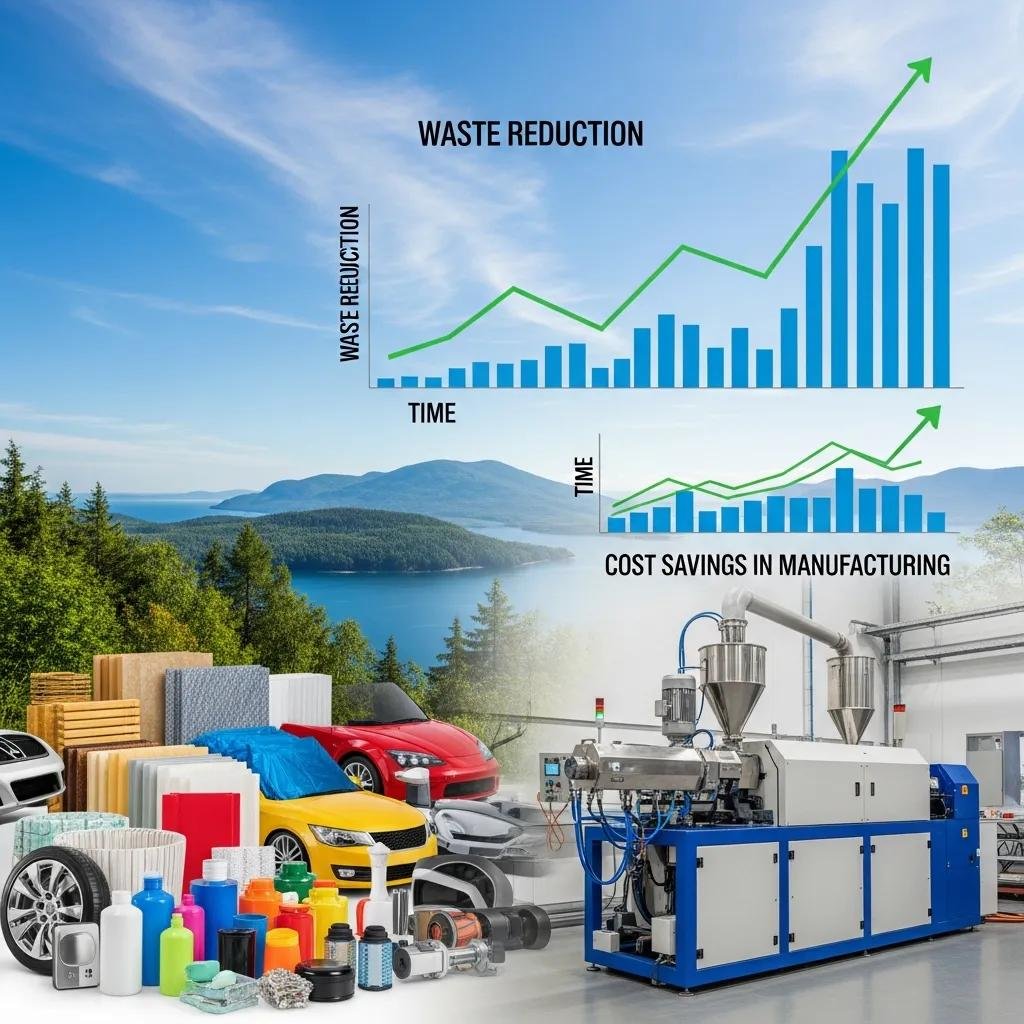
The use of plastic recycling extruders offers significant economic and environmental advantages, making them a vital component of sustainable manufacturing practices.
Recycling extruders play a crucial role in reducing plastic waste by converting discarded materials into new products. This process supports the circular economy by:
These benefits highlight the importance of recycling extruders in promoting environmental sustainability.
Investing in recycling extruders can yield substantial returns for businesses. Key factors include:
The potential for long-term savings and market advantages makes recycling extruders a wise investment for forward-thinking companies.
Selecting and maintaining plastic recycling extruders is critical for ensuring optimal performance and longevity. Understanding the key factors involved can help businesses make informed decisions.
When choosing a plastic recycling extruder, several factors should be considered:
These considerations will help guide the selection process, ensuring that the chosen extruder aligns with operational goals.
Regular maintenance and troubleshooting are essential for keeping plastic recycling extruders in optimal condition. Best practices include:
By following these best practices, businesses can enhance the reliability and efficiency of their recycling extruders.
| Component | Function | Importance |
|---|---|---|
| Hopper | Feeds plastic waste | Ensures consistent material flow |
| Screw | Melts and mixes plastic | Critical for material homogenization |
| Die | Shapes recycled plastic | Determines final product form |
| Type of Extruder | Application | Advantages |
|---|---|---|
| Single-Screw | Homogeneous materials | Cost-effective, simpler design |
| Twin-Screw | Mixed/contaminated plastics | Better mixing, higher efficiency |
In conclusion, plastic recycling extruders are vital for transforming recovered plastics into valuable materials, supporting sustainable manufacturing practices. By understanding their operation, types, and benefits, businesses can make informed decisions that contribute to a circular economy and reduce environmental impact.
Evergreen Machine opera especialistas en maquinaria plástica desde China. Diseña líneas de producción completa con soporte técnico global y 15+ años.
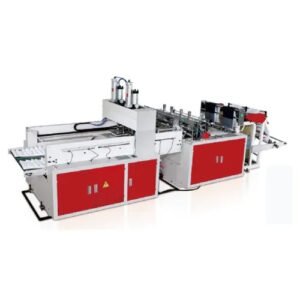
Evergreen Machine fabrica equipos especializados para bolsas plásticas con tecnología moderna. Extrusoras y bolseadoras de precisión industrial.
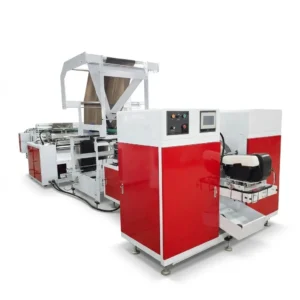
Guía profesional para seleccionar máquinas de producción plástica. Evalúa capacidad, materiales y soporte técnico con bolseadora.com.mx.
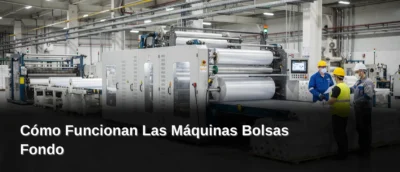
Descubre cómo funcionan las máquinas bolsas de fondo. Sellado térmico, corte automático y apilado para bolsas industriales de calidad en bolseadora.com.mx.