
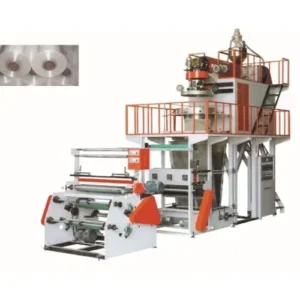
Equipo de Ingenieros: Maquinaria Plástica Evergreen
Evergreen Machine opera especialistas en maquinaria plástica desde China. Diseña líneas de producción completa con soporte técnico global y 15+ años.
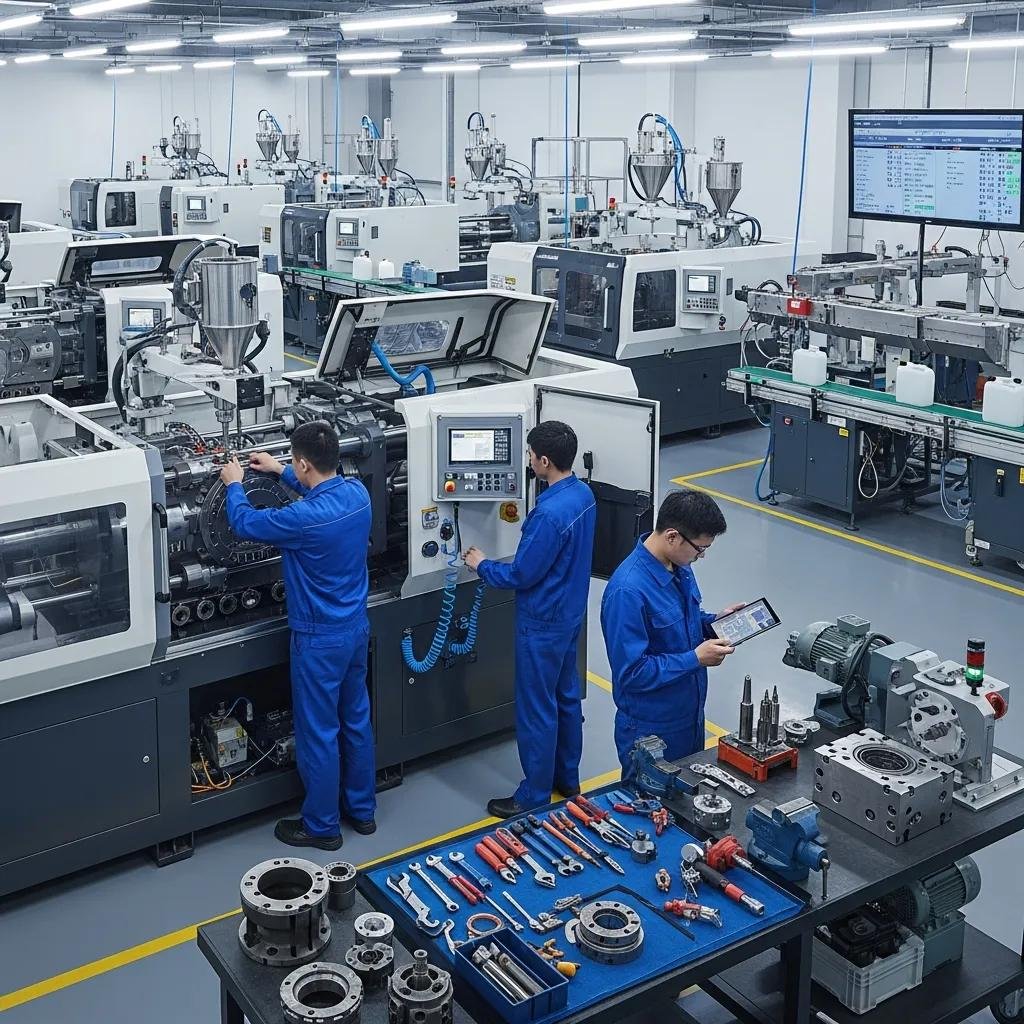
Maintenance contracts for plastic machinery play a crucial role in ensuring the longevity and efficiency of equipment used in manufacturing processes. These contracts provide structured maintenance schedules, which are essential for preventing unexpected breakdowns and optimizing performance. In this article, we will explore the significance of maintenance contracts, how they enhance machinery durability, and the various types available. Additionally, we will discuss preventive maintenance practices, best practices for extrusion machine maintenance, and how to select the right maintenance provider. By understanding these aspects, manufacturers can make informed decisions that lead to improved operational efficiency and cost savings.
Maintenance contracts for plastic machinery are agreements between manufacturers and service providers that outline the terms and conditions for regular maintenance and repair services. These contracts are essential because they ensure that machinery operates at peak performance, reducing the risk of unexpected failures. Regular maintenance not only extends the lifespan of equipment but also enhances its efficiency, leading to better production outcomes.
Maintenance contracts improve the durability of plastic machinery by establishing regular maintenance schedules that include inspections, cleaning, and necessary repairs. These proactive measures help identify potential issues before they escalate into significant problems. For instance, routine checks can prevent wear and tear on critical components, ensuring that machinery remains in optimal working condition. By investing in maintenance contracts, manufacturers can achieve long-term benefits, including reduced downtime and lower repair costs.
There are several types of maintenance contracts available for plastic equipment, each designed to meet different operational needs. The most common types include:
Understanding the different types of maintenance contracts helps manufacturers choose the best option for their specific needs.
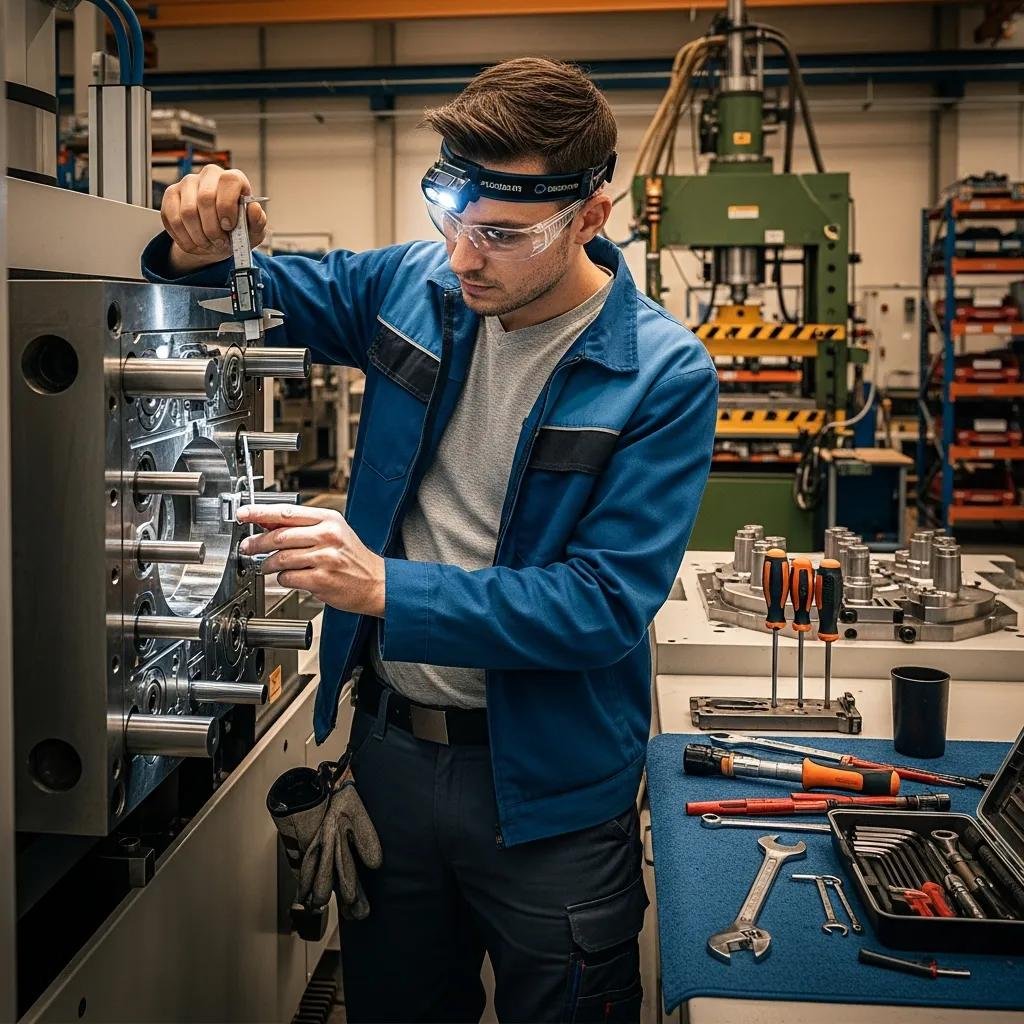
Preventive maintenance is a proactive approach that focuses on regular servicing of injection molding machines to prevent breakdowns and ensure optimal performance. This strategy is vital for maintaining production efficiency and product quality.
Daily and monthly preventive maintenance tasks for injection molders include:
These tasks are essential for maintaining the performance and reliability of injection molding machines.
Calibration is a critical aspect of preventive maintenance that directly impacts product quality and machine longevity. By ensuring that machines are accurately calibrated, manufacturers can achieve consistent product specifications and reduce waste. Regular calibration also helps identify potential issues early, preventing costly repairs and extending the lifespan of the machinery.
Service agreements for extrusion machines should include best practices that ensure optimal performance and minimal downtime. These practices focus on scheduled maintenance and effective troubleshooting techniques.
Scheduled technical service plays a vital role in reducing downtime in extrusion lines. By adhering to a maintenance schedule, manufacturers can anticipate and address potential issues before they disrupt production. This proactive approach minimizes unexpected breakdowns and enhances overall operational efficiency.
Common troubleshooting techniques for extruder components include:
Implementing these techniques helps maintain the efficiency and reliability of extrusion machines.
Maintenance contracts are not only beneficial for operational efficiency but also deliver significant cost savings and maximize equipment lifespan.
Maintenance contracts significantly reduce downtime by ensuring that machinery is regularly serviced and any potential issues are addressed promptly. This proactive approach minimizes the risk of unexpected breakdowns, allowing manufacturers to maintain consistent production schedules and avoid costly delays.
Service agreements extend the lifespan of plastic manufacturing equipment by providing regular maintenance and timely repairs. By keeping machinery in optimal condition, manufacturers can avoid the costs associated with premature equipment failure and replacement. Regular servicing also ensures that machines operate efficiently, further enhancing their longevity.
Choosing the right maintenance provider is crucial for ensuring the effectiveness of maintenance contracts. Manufacturers should consider several factors when making this decision.
Service Level Agreements (SLAs) for plastic machinery should include:
Including these elements in SLAs ensures that manufacturers receive the level of service they require.
Technician expertise is critical for effective maintenance because skilled technicians can quickly diagnose and resolve issues, ensuring that machinery operates efficiently. Their knowledge of specific equipment and maintenance practices allows for more effective troubleshooting and repairs, ultimately leading to better machinery performance and longevity.
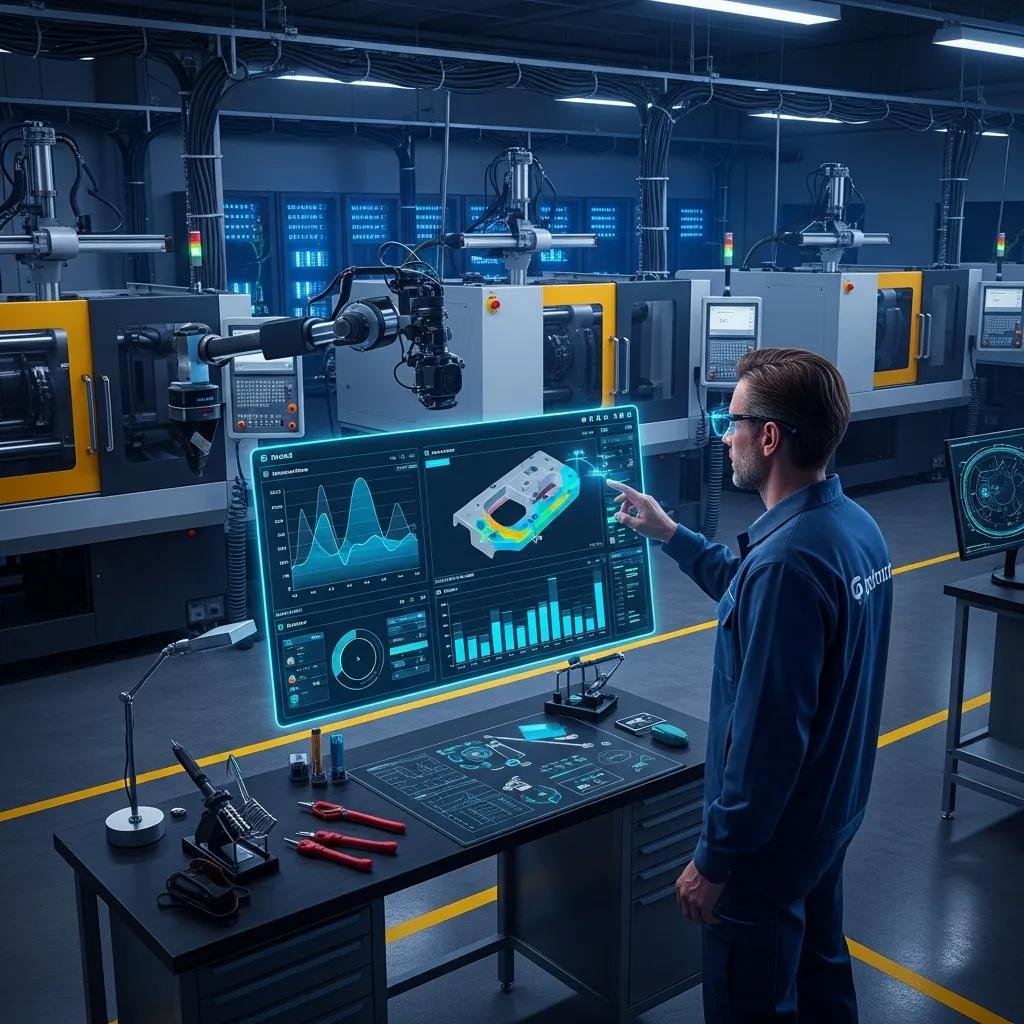
Emerging technologies are revolutionizing maintenance contracts for plastic machinery by introducing innovative solutions that enhance efficiency and reduce costs.
The Internet of Things (IoT) and Artificial Intelligence (AI) play significant roles in predictive maintenance models by enabling real-time monitoring and data analysis. These technologies allow manufacturers to track equipment performance continuously and predict potential failures before they occur, leading to more effective maintenance strategies.
Data-driven contracts improve performance and reduce costs by leveraging analytics to optimize maintenance schedules and resource allocation. By analyzing historical data, manufacturers can identify patterns and trends that inform maintenance decisions, ultimately leading to more efficient operations and cost savings.
Evergreen Machine opera especialistas en maquinaria plástica desde China. Diseña líneas de producción completa con soporte técnico global y 15+ años.
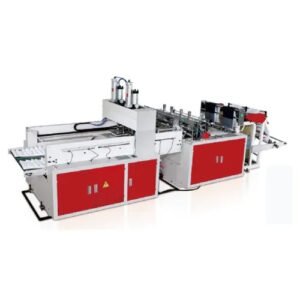
Evergreen Machine fabrica equipos especializados para bolsas plásticas con tecnología moderna. Extrusoras y bolseadoras de precisión industrial.
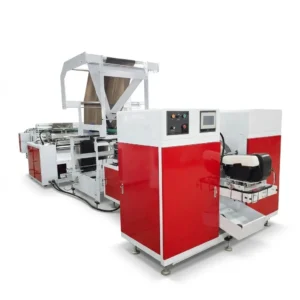
Guía profesional para seleccionar máquinas de producción plástica. Evalúa capacidad, materiales y soporte técnico con bolseadora.com.mx.
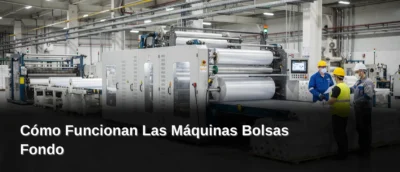
Descubre cómo funcionan las máquinas bolsas de fondo. Sellado térmico, corte automático y apilado para bolsas industriales de calidad en bolseadora.com.mx.