
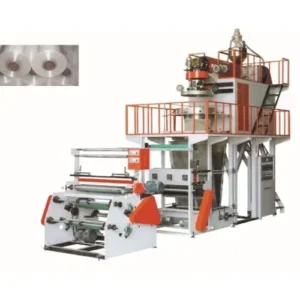
Equipo de Ingenieros: Maquinaria Plástica Evergreen
Evergreen Machine opera especialistas en maquinaria plástica desde China. Diseña líneas de producción completa con soporte técnico global y 15+ años.
The increasing demand for sustainable packaging solutions has led to the rise of compostable straw manufacturing equipment, particularly those utilizing corn starch. These machines play a crucial role in producing biodegradable straws that align with eco-friendly practices. In this comprehensive guide, we will explore the functionality, benefits, and specifications of corn starch straw machines, providing insights into their importance in the sustainable packaging industry. As businesses and consumers alike seek alternatives to plastic, understanding the mechanisms behind these machines becomes essential. This article will cover the definition and functionality of corn starch straw manufacturing equipment, their environmental benefits, technical specifications, and key features, as well as market trends and purchasing considerations.
Compostable straw machines are specialized equipment designed to produce straws made from biodegradable materials, primarily corn starch. These machines facilitate the transformation of raw materials into functional, eco-friendly straws that decompose naturally, reducing plastic waste in the environment. By utilizing compostable straws, businesses can significantly enhance their sustainability efforts and appeal to environmentally conscious consumers. The role of these machines in sustainable packaging is pivotal, as they contribute to a circular economy by promoting the use of renewable resources and minimizing environmental impact.
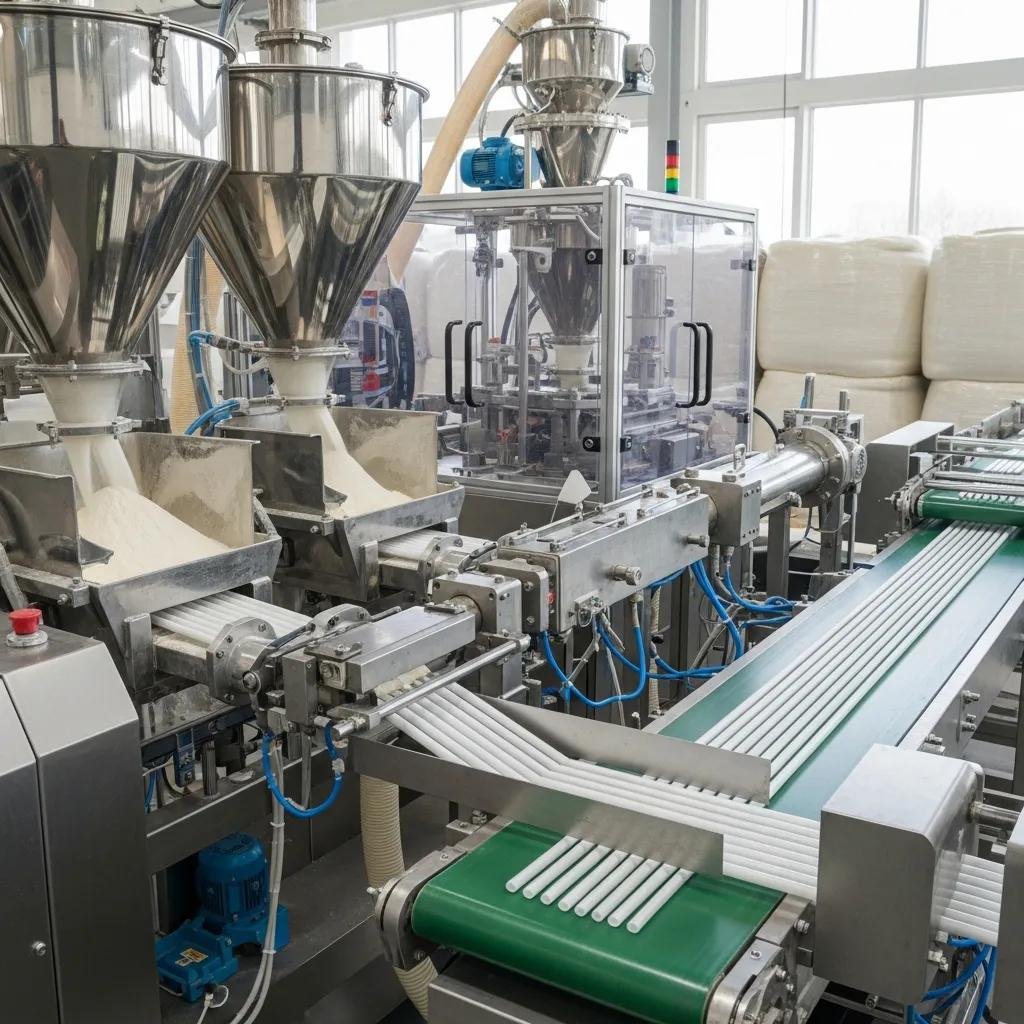
Corn starch straw manufacturing equipment encompasses a range of machines that convert corn starch into straws through a series of processes, including extrusion, cooling, and cutting. The machinery typically includes components such as extruders, cooling systems, and cutters, which work in tandem to produce straws of various sizes and shapes. The extrusion process involves melting the corn starch and forcing it through a die to form the straw shape, while the cooling system solidifies the material, ensuring structural integrity. This equipment is designed to operate efficiently, producing high volumes of straws while maintaining quality standards.
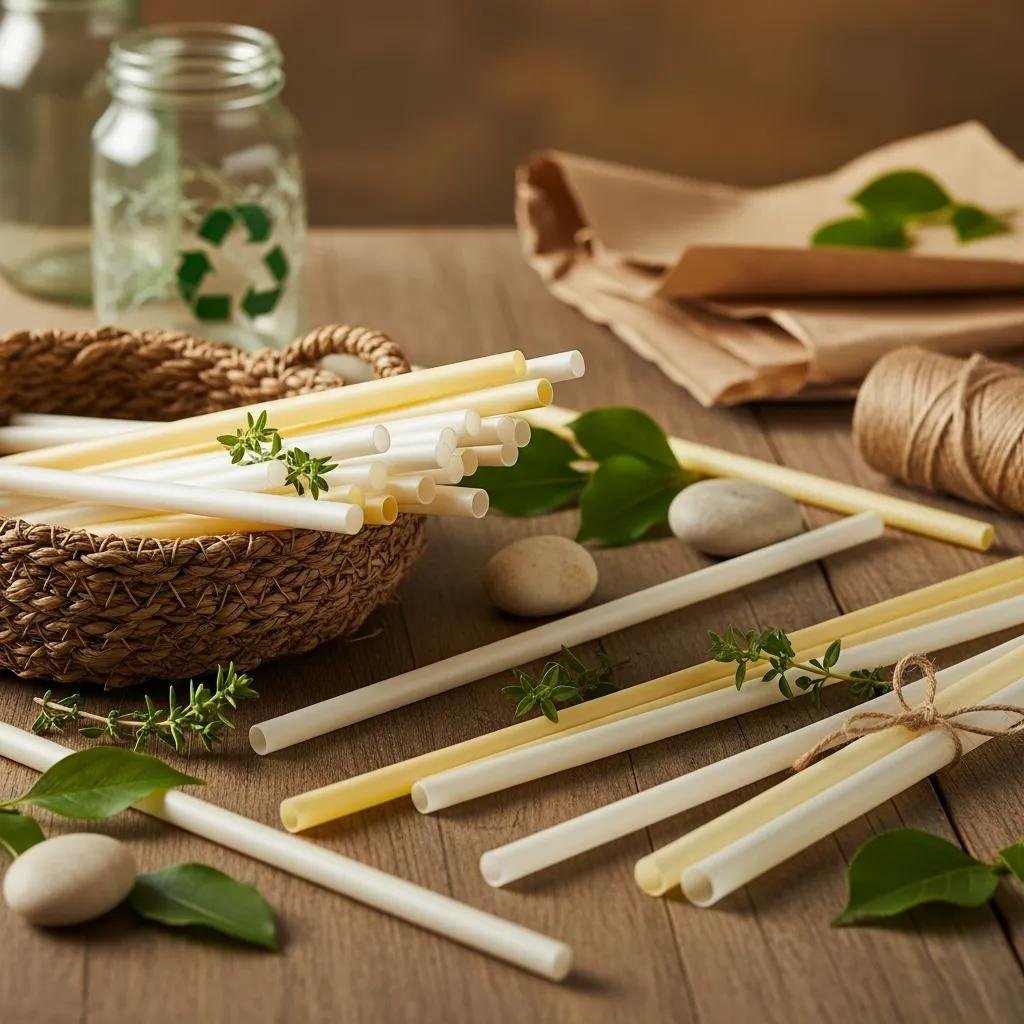
Compostable straw machines support eco-friendly packaging solutions by providing a viable alternative to traditional plastic straws. The production of corn starch straws significantly reduces plastic waste, as these straws are designed to decompose within a few months in composting conditions. Additionally, using compostable straws helps businesses comply with increasing regulations aimed at reducing single-use plastics. By adopting these machines, companies can improve their brand image and appeal to a growing market of environmentally conscious consumers. The transition to compostable straws not only benefits the environment but also positions businesses as leaders in sustainability.
For those interested in investing in compostable straw manufacturing, bolseadora.com.mx offers a range of machinery options tailored to meet diverse production needs. Their expertise in e-commerce and lead generation ensures that businesses can find the right equipment to enhance their sustainability efforts.
Efficient biodegradable straw production machinery is characterized by several key technical specifications that ensure optimal performance. These specifications include:
Understanding these specifications helps manufacturers select the right equipment for their production needs, ensuring efficiency and sustainability.
When evaluating corn starch straw machines, several key features and production capacities should be considered. These include:
| Feature | Description | Value |
|---|---|---|
| Production Output | The number of straws produced per hour | Up to 10,000 straws |
| Types of Extruders | Variations in extruder design for different straw sizes | Single and twin-screw extruders |
| Cutting Mechanisms | Methods for cutting straws to desired lengths | Automatic and manual cutting options |
These features are critical for manufacturers looking to optimize their production processes and meet the growing demand for compostable straws.
Environmental certifications and compliance standards play a significant role in the marketability of straw manufacturing equipment. These certifications ensure that the machinery meets specific environmental and safety regulations, which can enhance a company’s reputation and consumer trust. Common certifications include ISO 14001 for environmental management and compliance with local regulations regarding biodegradable materials. Adhering to these standards not only supports sustainable practices but also positions manufacturers favorably in a competitive market.
Corn starch straw machines contribute to environmental benefits by facilitating the production of biodegradable straws that reduce reliance on plastic. As the global movement towards sustainability gains momentum, these machines align with industry trends favoring eco-friendly products. The biodegradability of corn starch straws means they can decompose naturally, minimizing landfill waste and pollution. Additionally, the increasing regulatory pressures on plastic usage further drive the demand for compostable alternatives, making corn starch straw machines a timely investment for manufacturers.
The straws produced from corn starch are both biodegradable and compostable, meaning they can break down into natural substances in a composting environment. The decomposition process typically occurs within a few months, depending on environmental conditions such as temperature and moisture. This rapid breakdown contrasts sharply with traditional plastic straws, which can take hundreds of years to decompose. The environmental impact of using corn starch straws is significantly lower, making them a preferred choice for businesses aiming to reduce their ecological footprint.

The market for compostable straw machinery is experiencing significant growth, driven by increasing consumer demand for sustainable products and stricter regulations on plastic usage. Projections indicate a robust expansion in the biodegradable packaging sector, with many countries implementing bans on single-use plastics. This regulatory landscape creates a favorable environment for manufacturers of compostable straw machines, as businesses seek to comply with new laws while meeting consumer expectations for eco-friendly alternatives.
When considering the purchase of plant-based straw machines, several factors should be evaluated:
These considerations help manufacturers make informed decisions when selecting equipment for their production needs.
Evaluating supplier reliability involves examining the manufacturer’s reputation, customer reviews, and the availability of technical support services. A reliable supplier should provide comprehensive support, including installation, training, and ongoing maintenance. Access to spare parts is also critical for minimizing production disruptions. By choosing a reputable supplier, manufacturers can ensure that their investment in compostable straw machinery is protected and supported.
Choosing the right compostable straw machine involves several key considerations:
By carefully considering these factors, manufacturers can select the most suitable compostable straw machine for their operations, ensuring efficiency and sustainability in their production processes.
Evergreen Machine opera especialistas en maquinaria plástica desde China. Diseña líneas de producción completa con soporte técnico global y 15+ años.
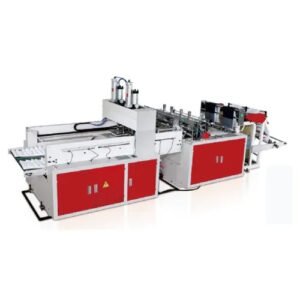
Evergreen Machine fabrica equipos especializados para bolsas plásticas con tecnología moderna. Extrusoras y bolseadoras de precisión industrial.
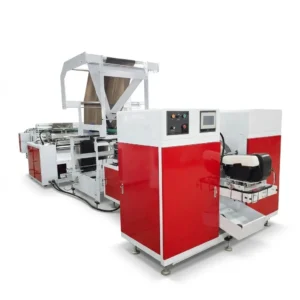
Guía profesional para seleccionar máquinas de producción plástica. Evalúa capacidad, materiales y soporte técnico con bolseadora.com.mx.
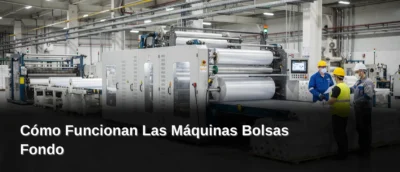
Descubre cómo funcionan las máquinas bolsas de fondo. Sellado térmico, corte automático y apilado para bolsas industriales de calidad en bolseadora.com.mx.