
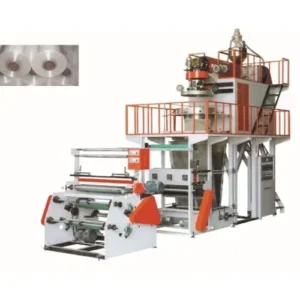
Equipo de Ingenieros: Maquinaria Plástica Evergreen
Evergreen Machine opera especialistas en maquinaria plástica desde China. Diseña líneas de producción completa con soporte técnico global y 15+ años.
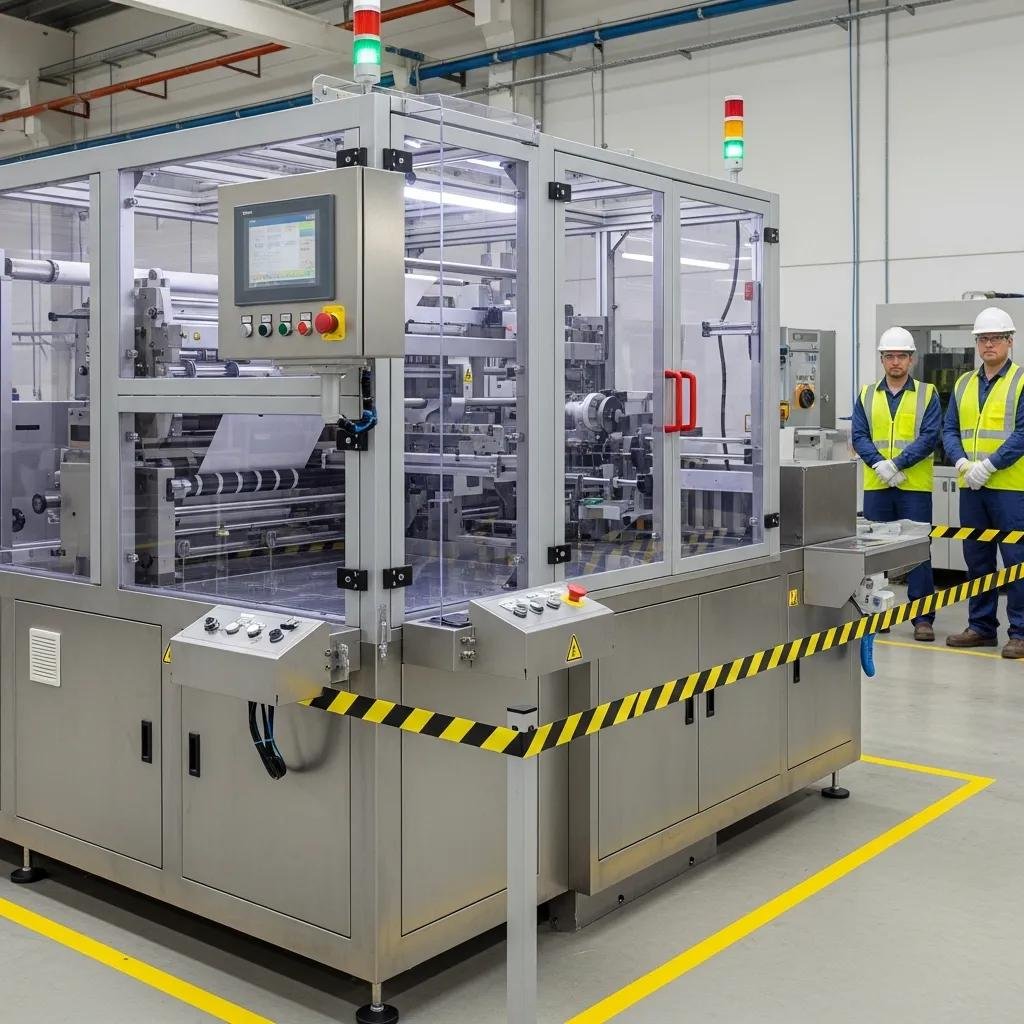
In the realm of industrial machinery, ensuring operator safety is paramount, especially in the context of refiladoras, or trimming machines. These machines, essential for plastic bag production, require robust safety systems to protect operators from potential hazards. This article delves into the essential safety systems integrated into refiladoras, highlighting their importance in compliance with industrial safety norms. Readers will gain insights into the key safety features, the mechanisms that minimize workplace hazards, and the regulatory requirements that govern these machines. By understanding these aspects, operators and manufacturers can better navigate the complexities of safety compliance and enhance workplace safety.
Operator safety systems in refiladora machines are designed to protect workers from accidents and injuries during operation. These systems include various components such as personal protective equipment (PPE), emergency protocols, and regular maintenance checks. The integration of these safety measures not only ensures compliance with safety regulations but also fosters a culture of safety within the workplace. By prioritizing operator safety, companies can significantly reduce the risk of workplace accidents and enhance overall productivity.
Indeed, a comprehensive approach to industrial machine safety involves careful consideration of design, installation, and the safe use of components.
Industrial Machine Safety: Design, Installation & Operator Protection
measures to ensure the safety of operators with industrial machines. The main approaches focus on the design, installation, and safe use of components for industrial machines.
Exploring Safety of Machineries and Training: An Overview of Current Literature Applied to Manufacturing Environments, M Sharafkhani, 2024
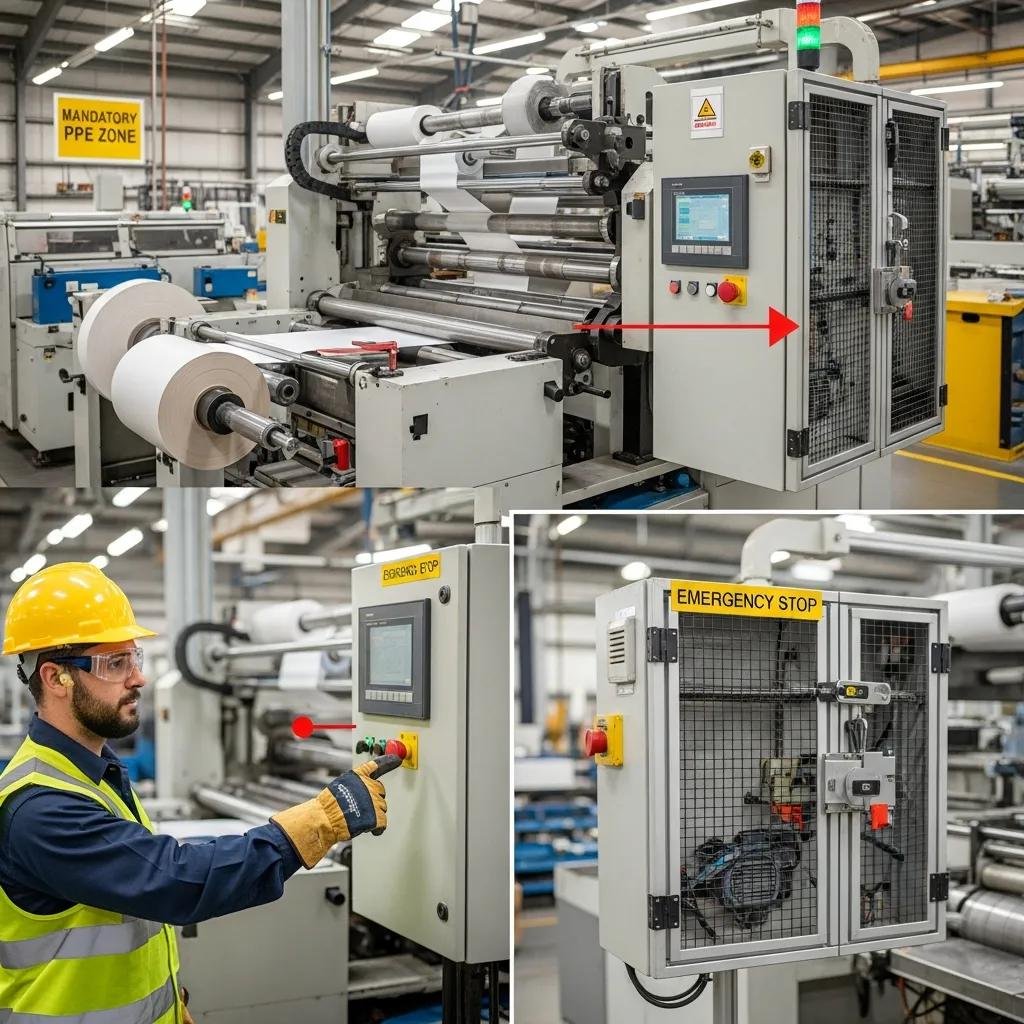
Refiladora equipment incorporates several key safety features that are crucial for operator protection. These features include:
These safety features are vital for maintaining a safe working environment and ensuring compliance with industrial safety standards.
| Safety Feature | Description | Benefit |
|---|---|---|
| Personal Protective Equipment (EPP) | Gear worn by operators to protect against hazards | Reduces risk of injury |
| Emergency Protocols | Procedures for responding to emergencies | Ensures quick response to incidents |
| Regular Inspections | Routine checks of machinery | Identifies potential safety issues |
The integration of these safety features not only protects operators but also enhances the overall efficiency of the refiladora operations.
Operator protection devices play a critical role in minimizing workplace hazards associated with refiladoras. These devices include safety interlocks, emergency stops, and guarding technologies that prevent accidental machine activation. By implementing these protective measures, companies can significantly reduce the likelihood of accidents and injuries. Furthermore, training and awareness programs for operators ensure that they are well-informed about the safety features and how to utilize them effectively.
Adopting a systematic, risk-oriented approach to workplace safety management is crucial for effectively minimizing hazards and improving overall productivity.
Workplace Safety Management: Risk-Oriented Approach
Occupational safety management in our country no longer meets modern requirements for occupational safety in the workplace and needs to be improved, in particular through the introduction of a risk-oriented approach to the assessment of production factors.The use of risk-oriented approach system to safety management in the workplace is substantiated in this work, and it is the primary link in the management system of labor protection and its optimal (comfortable) organization significantly affects the production environment, safety and staff productivity.
Systematic approach to work safety management in the workplace, Z Yaremko, 2021
Guarding devices are essential components of operator protection in refiladoras. Common types include:
These devices are crucial for maintaining a safe working environment and ensuring compliance with safety regulations.
The implementation of safety interlocks and emergency stops is vital for enhancing operator safety in refiladoras. Safety interlocks ensure that machines cannot operate unless all safety measures are in place, while emergency stops provide a quick way to halt operations in case of an emergency. Regular training on the use of these systems is essential to ensure that operators can respond effectively in critical situations.
Compliance with industrial safety norms is essential for the safe operation of refiladoras. Various regulations govern the safety standards that these machines must meet, including ISO 12100, which outlines general principles for the design and construction of safe machinery. Understanding these norms is crucial for manufacturers and operators alike, as non-compliance can lead to severe penalties and increased risk of accidents.
ISO 12100 provides a framework for assessing and mitigating risks associated with machinery. This standard emphasizes the importance of risk assessment and the implementation of safety measures to protect operators. Compliance with ISO 12100 not only enhances safety but also improves the overall reliability of refiladora operations.
Regulatory requirements for packaging machinery safety encompass a range of standards that manufacturers must adhere to. These regulations ensure that machinery is designed and operated in a manner that prioritizes operator safety. Regular audits and inspections are necessary to verify compliance with these standards, helping to maintain a safe working environment.
Ensuring compliance with these legal requirements is paramount, especially when dealing with machinery from diverse origins, to uphold safety standards within the industry.
Machine Safety Compliance: Legal Requirements & Solutions
Purpose: The methodology for assessing compliance with legal requirements in machine plant purchased old and new (often imported from third countries) and used in Polish industry was presented. Application of the presented methodology may be one of the actions allowing verification compliance with legal requirements. The advanced methodology for assessing machinery compliance with legal requirements. A proposal of solutions improving the safety of the analyzed machine plant was also presented. Safety related to machine operation plays a key role for the EU economy. Therefore, the utilized machinery meeting legal requirements is an important element.
Work safety with usage of the machines-methodology of an evaluation of fulfilling the requirements of legal regulations, T Małysa, 2012
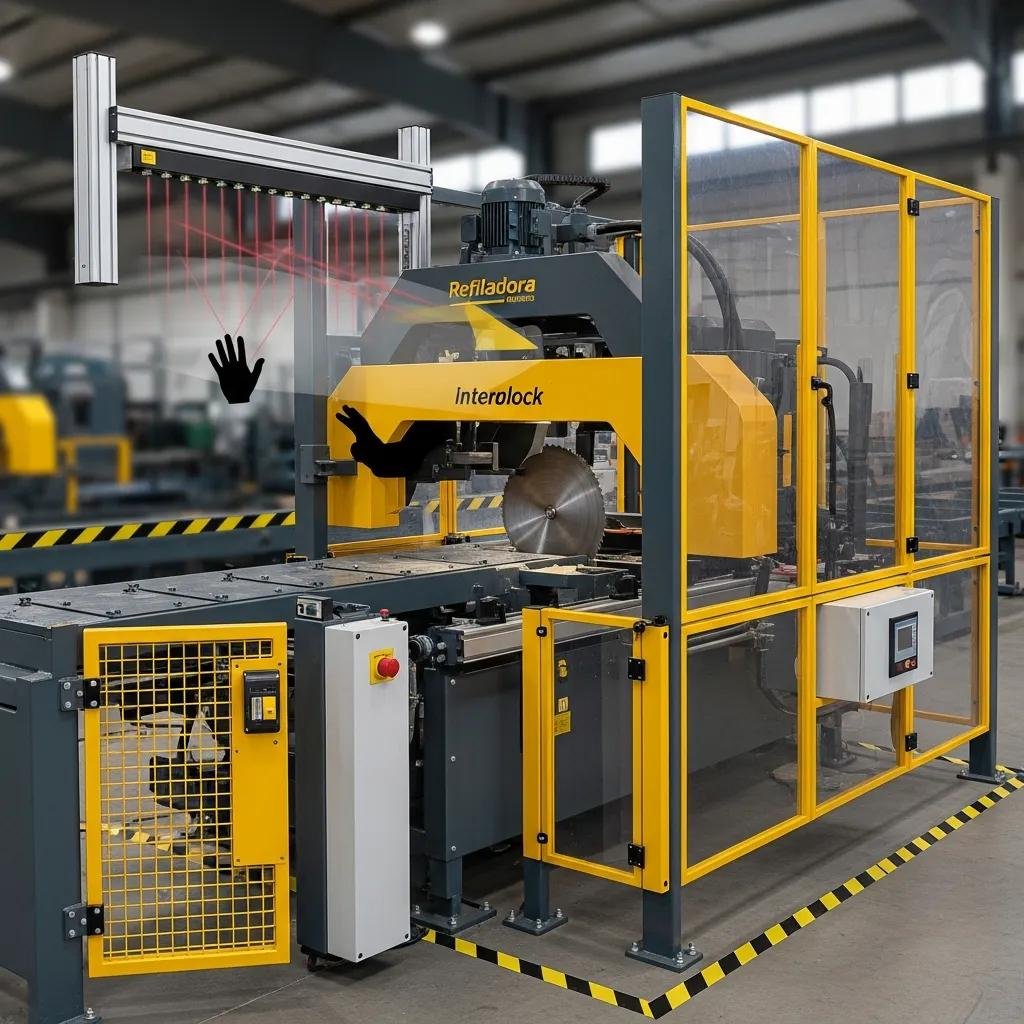
Machine guarding technologies are integral to enhancing safety in refiladoras. These technologies include various devices and systems designed to protect operators from moving parts and other hazards. By implementing effective guarding technologies, companies can significantly reduce the risk of accidents and injuries.
To further enhance operator safety and ensure compliance with safety regulations, companies can adopt several strategies:
By adopting these strategies, companies can create a safer working environment and reduce the likelihood of operator injuries.
Effective safety audits and maintenance checks are crucial for identifying and addressing potential safety issues in refiladoras. These audits should be conducted regularly to ensure compliance with safety regulations and to maintain a safe working environment. Proper documentation of audit findings and maintenance activities is essential for tracking safety performance and ensuring continuous improvement.
By prioritizing operator safety through the implementation of comprehensive safety systems and adherence to industrial safety norms, companies can significantly enhance workplace safety and operational efficiency in refiladora operations.
Evergreen Machine opera especialistas en maquinaria plástica desde China. Diseña líneas de producción completa con soporte técnico global y 15+ años.
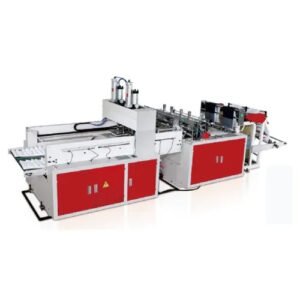
Evergreen Machine fabrica equipos especializados para bolsas plásticas con tecnología moderna. Extrusoras y bolseadoras de precisión industrial.
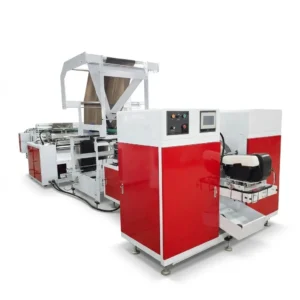
Guía profesional para seleccionar máquinas de producción plástica. Evalúa capacidad, materiales y soporte técnico con bolseadora.com.mx.
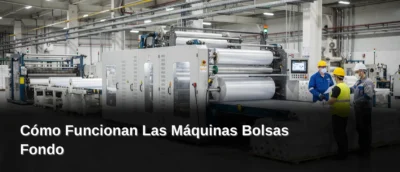
Descubre cómo funcionan las máquinas bolsas de fondo. Sellado térmico, corte automático y apilado para bolsas industriales de calidad en bolseadora.com.mx.